
Ontwerptekeningen voor de prentenserie Diverse Allegorische Figuren
Medium
pen
Dimensions
70; 50
Rights
Public Domain
About this artwork
height 70 mm x width 50 mm
Art Historical Context
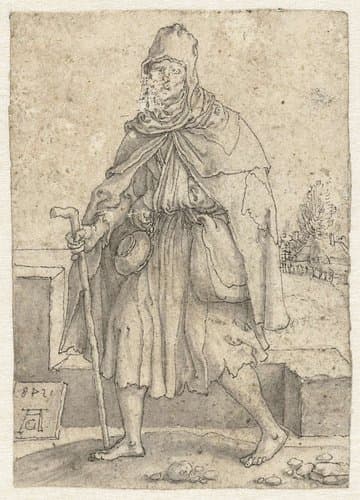
Heinrich Aldegrever's *Ontwerptekeningen voor prentenserie Diverseorische Figuren*Design Drawings for the Print Series Diverse Allegorical Figures dated 1548, a fascinating glimpse into the creative process of a master Northern Renaissance engraver. Crafted in pen on a diminutive scale—measuring just 70 mm high by 50 mm wide—this preparatory sketch exemplifies Aldegrever's meticuloussmanship. As a prominent member of the "Little Masters a group of German artists renowned for their intricate small-format engravings, Aldegrever bridged goldsmithing and printmaking, producing works that blended fine detail with symbolic depth. These drawings served as blueprints for a series of prints featuring allegorical figures, a popular motif in 16th-century Europe symbolizing virtues, vices, or abstract concepts. Aldegrever, based in Soest, drew inspiration from predecessors like Albrecht Dürer, infusing his designs with precise line work that translated seamlessly to copper plates. Pen allowed for the fluid, exploratory strokes essential in planning engravings, where every curve anticipated the burin's path. In the context of Renaissance print culture, such sketches highlight the era's booming market for affordable, reproducible art. Aldegrever's output reached collectors across Europe, making complex iconography accessible. This tiny yet ambitious piece invites visitors to appreciate the hidden labor behind enduring prints, revealing the artistry in preparation.
About the Artist
Heinrich Aldegrever · 1502–1561
Heinrich Aldegrever, born in 1502 in Paderborn, Westphalia, to parents Herman and Katherine Trippenmeker—a family of clog-makers known by the dialect name Trippenmecker—emerged as a multifaceted artist in the German Renaissance. His early training remains undocumented, though he likely apprenticed in a Soest goldsmith's workshop after relocating there around 1525, where he joined the painters' gui...