
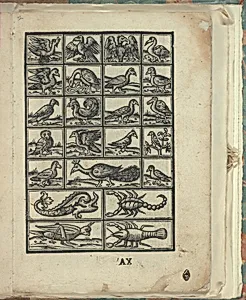
Opera Nova Universali intitulata Corona di racammi, page 21 (recto)
Medium
Woodcut
Dimensions
Overall: 8 7/8 x 6 7/8 in. (22.5 x 17.5 cm)
Classification
Books|Prints|Ornament & Architecture
Department
Drawings and Prints
Museum
Metropolitan Museum of Art, New York, NY
Credit
Harris Brisbane Dick Fund, 1932
Accession Number
32.54.1(41)
Rights
Public Domain
Tags
Art Historical Context
Step into the intricate world of Renaissance decorative arts with *Opera Nova Universali intitolata Corona di racammi page 21 (recto), a woodcut print by Venetian publisher and engraver Giovanni Andrea Vavassore, circa 1530. This page, measuring just 8 7/8 x 6 7/8 inches, hails from a pattern book designed for artisans crafting lace, embroidery, and textiles.avassore, active in Venice's bustling print workshops, specialized in such "libri di modellomodel books that democratized elaborate designs for workshops across Europe. Woodcut technique shines here, with its bold, carved lines capturing symmetrical motifs of peacocks, birds, and insects in a fantastical interplay. These nature-inspired patterns reflect the Renaissance fascination with the natural world, transformed into ornamental fantasies for sumptuous fabrics worn by the elite. Published during Venice's golden age of printing, the book bridged art and craft, influencing lacemakers and embroiderers from Italy to the Netherlands. Held in the Metropolitan Museum of Art's Drawings and Prints department (Harris Brisbane Dick Fund, 1932), this page evokes the tactile elegance of 16th-century luxury goods. Imagine noble gowns adorned with these vibrant feathers and buzzing wings—timeless blueprints for beauty in thread and ink.
About the Artist
Giovanni Andrea Vavassore · 1530–1573
**Giovanni Andrea Vavassore (c. 1490s–1572)** Giovanni Andrea Vavassore, also known as Zoan Andrea or Guadagnino, hailed from Telgate near Bergamo in the Venetian terraferma and established himself in Venice by the early 16th century as a skilled wood engraver. His early life remains sparsely documented, with no records of formal training or mentors, though his initial output as a xylographer rev...