
Pair of flowers
Unknown Artist
18th century
Medium
Gilt bronze
Dimensions
Diameter (each): 7/8 in. (2.2 cm)
Classification
Metalwork-Gilt Bronze
Culture
French
Department
European Sculpture and Decorative Arts
Museum
Metropolitan Museum of Art, New York, NY
Credit
Gift of J. Pierpont Morgan, 1906
Accession Number
07.225.510.667a, b
Rights
Public Domain
Art Historical Context
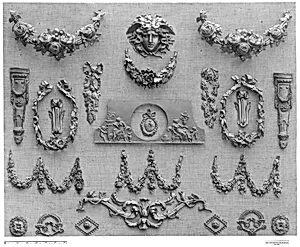
This delicate **Pair of Flowers**, crafted in the 18th century by an French artist, exemplifies the exquisite metalwork of France's decorative arts golden age. Each flower measures just 7/8 inches (2.2 cm) in diameter, suggesting they served as ornate mounts or embellishments for furniture, clocks, or porcelain objects—common in lavish interiors of the Louis XV and Louis XVI periods. The gilt bronze medium, where bronze is cast and then gilded with a thin layer of gold, created a shimmering, opulent finish that mimicked more precious materials while remaining durable and affordable for elite clientele. Gilt bronze flourished in 18th-century France, particularly in Paris workshops, where skilled artisans employed techniques like sand-casting for intricate naturalistic forms and fire-gilding for a radiant luster. These flowers capture the era's fascination with floral motifs, symbolizing nature's abundance amid the Rococo elegance and Neoclassical refinement. Their small scale highlights the virtuoso craftsmanship demanded in decorative objects, transforming everyday luxury into art. Generously donated to the Metropolitan Museum of Art in 1906 by financier J. Pierpont Morgan, a passionate collector of European treasures, this pair invites visitors to appreciate the subtle splendor of French metalwork—tiny jewels that once adorned the grandest salons.