
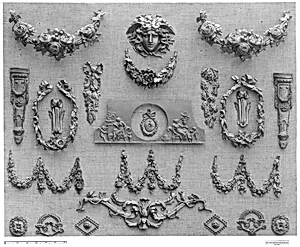
Pair of frames
Unknown Artist
19th century
Medium
Gilt bronze
Dimensions
Length (each): 2 3/8 in. (6 cm)
Classification
Metalwork-Gilt Bronze
Culture
French
Department
European Sculpture and Decorative Arts
Museum
Metropolitan Museum of Art, New York, NY
Credit
Gift of J. Pierpont Morgan, 1906
Accession Number
07.225.510.683a, b
Rights
Public Domain
Art Historical Context
This exquisite pair of gilt bronze frames, crafted in 19th-century France, exemplifies the metalwork traditions of European decorative arts. Measuring just 2⅜ inches (6 cm) in length each, these diminutive frames were likely designed to encase miniature portraits, photographs, or precious cameos, adorning personal cabinets or jewelry boxes in affluent homes. Their small scale belies their luxurious appeal, showcasing the era's penchant for intricate, jewel-like objects that blended functionality with opulence. Gilt bronze, a hallmark of French craftsmanship, involved casting bronze and applying a thin layer of gold through fire-gilding or mercury-gilding techniques—processes that created a radiant, enduring finish resistant to tarnish. Popular during the Napoleonic and Restoration periods, such frames reflected France's enduring legacy in decorative metalwork, drawing from 18th-century precedents while adapting to 19th-century tastes for historicism and elegance. Though the artist remains unknown, the piece highlights anonymous artisans' mastery in the workshops of Paris. A generous gift to the Metropolitan Museum of Art from financier J. Pierpont Morgan in 1906, these frames now reside in the Department of European Sculpture and Decorative Arts. They invite visitors to appreciate the subtle artistry of everyday luxury, evoking the glamour of French salons long past.