
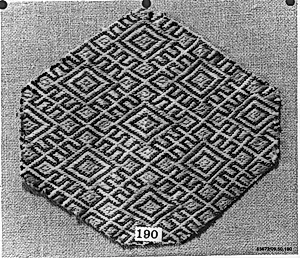
Peasant costume fragment
Unknown Artist
18th–19th century
Medium
Silk on canvas
Dimensions
L. 5 3/4 x W. 5 1/4 inches (14.6 x 13.3 cm)
Classification
Textiles-Embroidered
Culture
Albanian or Montenegrin
Department
European Sculpture and Decorative Arts
Museum
Metropolitan Museum of Art, New York, NY
Credit
Rogers Fund, 1909
Accession Number
09.50.190
Rights
Public Domain
Art Historical Context
This delicate fragment from a peasant costume, dating to the 18th–19th century, offers a glimpse into the vibrant textile traditions of Albanian or Montenegrin culture Crafted with silk embroidery on canvas, it just 5¾ x 5¼ inches (14.6 x 13.3 cm), it once adorned a larger garment like a jacket, sash, or apron worn by rural folk. The unknown artisan's needlework showcases the meticulous skill of Balkan embroidery, where silk threads created intricate patterns that conveyed identity, status, and regional pride. In the rugged landscapes of the Balkans, such peasant attire was more than functional clothing—it was a canvas for cultural storytelling. Motifs often drew from nature, geometry, and folklore, serving as protective talismans or markers of marital status and village allegiance. This piece, acquired through the Rogers Fund in 1909, highlights the enduring appeal of folk arts amid the decorative traditions of Europe. Housed in the Metropolitan Museum of Art's Department of European Sculpture and Decorative Arts, this embroidered textile fragment preserves a slice of everyday artistry from a time before industrialization homogenized such crafts. It invites us to appreciate the anonymous hands that wove beauty into the fabric of daily life.