
Pictures after Nature (Hokusai shashin gafu) 北斎写真画譜
ca. 1814
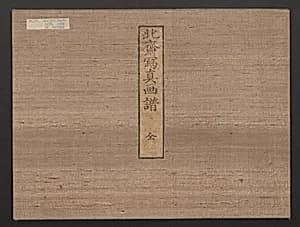
Medium
Polychrome woodblock prints in a book; ink and color on paper
Dimensions
10 × 13 1/4 × 1/4 in. (25.4 × 33.7 × 0.6 cm)
Classification
Illustrated Books
Culture & Period
Japan · Edo period (1615–1868)
Department
Asian Art
Museum
Metropolitan Museum of Art, New York, NY
Credit
Rogers Fund, 1918
Accession Number
JIB17
Rights
Public Domain
Tags
Art Historical Context
Katsushika Hokusai’s *Pictures after Nature* (Hokusai shashin gafu), created around 1814 during Japan’s Edo period, is a delightful illustrated book that captures the artist’s keen observations of the natural world. Hokusai, one of the most celebrated masters of ukiyo-e, compiled this volume as a collection of sketches drawn “after nature,” featuring motifs such as men amid peonies and trees. The book reflects the vibrant cultural life of Edo-era Japan, when artists increasingly turned to everyday scenes and botanical studies for inspiration. Printed as polychrome woodblock pages with ink and color on paper, the work showcases the refined techniques of Japanese book illustration. Each delicate impression demonstrates the collaborative craft of carvers, printers, and publishers who brought Hokusai’s fluid lines and subtle hues to life. Measuring just 10 by 13¼ inches, the compact format made these artistic studies accessible to a wide audience of students, fellow artists, and enthusiasts. Today housed in the Metropolitan Museum of Art’s Asian Art collection, the book offers a window into Hokusai’s lifelong fascination with nature’s rhythms and forms. Its gentle, observational spirit continues to invite viewers to slow down and appreciate the quiet beauty of peonies, trees, and human figures rendered with characteristic vitality.
About the Artist
Katsushika Hokusai · 1760–1849
Katsushika Hokusai (1760-1849) stands as one of history's most influential artists, a Japanese master who revolutionized the ukiyo-e woodblock print tradition and profoundly shaped Western art. Born in the Katsushika district of Edo (modern-day Tokyo) to an artisan family, Hokusai lived through nearly nine decades of extraordinary creative evolution, adopting over thirty different artistic names t...