
Piece
Unknown Artist
16th century
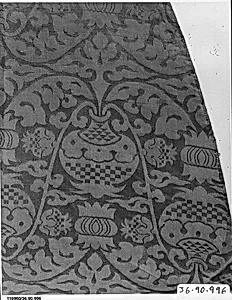
Medium
Silk
Dimensions
L. 22 3/4 x W. 9 1/2 inches (57.8 x 24.1 cm)
Classification
Textiles-Woven
Culture
Italian or Spanish
Department
European Sculpture and Decorative Arts
Museum
Metropolitan Museum of Art, New York, NY
Credit
Gift of The United Piece Dye Works, 1936
Accession Number
36.90.996
Rights
Public Domain
Art Historical Context
This exquisite silk textile fragment, titled simply *Piece*, hails from the 16th century and originates from either Italy or Spain—two powerhouses of Renaissance luxury weaving. Measuring 22¾ x 9½ inches, it exemplifies the era's opulent decorative arts, where silk was prized for its luster and versatility in garments, ecclesiastical vestments, and furnishings.ated to the Metropolitan Museum of Art in 6 by The United Piece Works, it now resides in the European Sculpture and Decorative Arts department, classified as a woven textile. Crafted through intricate loom techniques, such as brocading or lampas weaving common in Renaissance Europe, this piece highlights the technical mastery of anonymous artisans. Italian centers like Lucca and Venice, or Spanish workshops influenced by Moorish traditions, produced such silks using fine threads imported via trade routes, blending metallic wefts with silk warps for shimmering effects. These textiles were status symbols, adorning nobility and cathedrals alike. Though details of its motifs remain elusive, the fragment's survival speaks to the enduring allure of 16th-century textile innovation—a bridge between Eastern silk traditions and Western Renaissance splendor. Visitors will appreciate its tactile elegance up close, a window into the lavish world of Europe's elite.