
Piece
Unknown Artist
18th century
Medium
Silk
Dimensions
7 3/4 x 6 1/4 in. (19.68 x 15.88 cm)
Classification
Textiles-Velvets
Culture & Period
Japan · Edo period (1615–1868)
Department
Asian Art
Museum
Metropolitan Museum of Art, New York, NY
Credit
Gift of Mr. and Mrs. H. O. Havemeyer, 1896
Accession Number
96.14.64
Rights
Public Domain
Art Historical Context
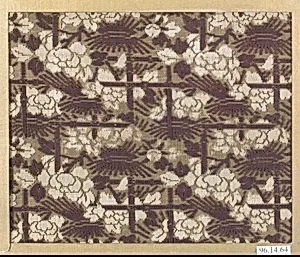
This exquisite silk velvet fragment, titled simply *Piece*, hails from Japan's Edo period (1615–8), a time of peace and prosperity that fostered vibrant artistic expression. Created by an unknown artist in the18th century, it a modest 7 3/4 x 6 1/4 inches (19.68 x 15.88 cm), suggesting it may be a remnant of a larger textile, such as a garment panel or decorative element. During the Edo era, textiles like this were central to daily life and high fashion, adorning kimonos, theater costumes, and home furnishings amid booming urban culture in cities like Edo (modern Tokyo). The use of silk velvet underscores its luxury—velvet weaving, with its plush pile created by cutting looped threads, was a sophisticated technique that arrived in Japan via trade routes and was adapted into local styles. Japanese velvets often featured intricate patterns inspired by nature, mythology, or seasonal motifs, reflecting the period's appreciation for refined craftsmanship and impermanence (mono no aware). This piece exemplifies the technical mastery of Edo textile artists, who blended imported methods with indigenous dyeing and weaving traditions. A generous gift to the Metropolitan Museum of Art from Mr. and Mrs. H. O. Havemeyer in 1896, it now resides in the Asian Art department, inviting visitors to ponder the artistry hidden in everyday opulence of feudal Japan.