
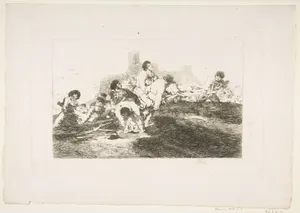
Plate 24 from "The Disasters of War" (Los Desastres de la Guerra): 'They can still be of use' (Aun podrán servir)
Medium
Etching (proof impression)
Dimensions
Plate: 6 5/16 × 10 1/16 in. (16.1 × 25.6 cm) Sheet: 8 13/16 × 12 1/2 in. (22.4 × 31.8 cm)
Classification
Prints
Department
Drawings and Prints
Museum
Metropolitan Museum of Art, New York, NY
Credit
Harris Brisbane Dick Fund, 1932
Accession Number
32.62.10
Rights
Public Domain
Tags
Art Historical Context
**Plate 24 from *The Disasters of War 'They can still be use' (Aun podrán)** Francisco de Goya y Luc, a pioneering Spanish artist of the late 18th and early 19th centuries, createdThe Disasters of War* between 1810 and 1820 as a stark visual indictment of the Peninsular War's horrors—the Spanish fight for independence against Napoleon's invading French forces. This etching, Plate 24, captures the series' unflinching realism, depicting the dehumanizing aftermath of conflict with the grim title suggesting bodies reduced to mere utility amid famine and brutality in Madrid. Goya, transitioning from Rococo elegance to raw Romantic expression, used these prints to expose war's moral devastation, influencing later anti-war art. As a proof impression etching—a preliminary state pulled directly from the plate before final polishing—this 1810 work showcases Goya's masterful aquatint and drypoint techniques. The modest plate size (6 5/16 × 10 1/16 in.) allowed intimate, detailed compositions that convey profound anguish through shadowy contrasts and expressive lines. Housed in the Metropolitan Museum of Art's Drawings and Prints department, this piece from the Harris Brisbane Dick Fund exemplifies Goya's shift toward unflattering truth-telling, censored in his lifetime but published posthumously in 1863, cementing its cultural legacy as a timeless cry against violence.
About the Artist
Goya (Francisco de Goya y Lucientes) · 1746–1828
Francisco José de Goya y Lucientes (1746-1828) was a Spanish painter and printmaker considered the last of the Old Masters and the first of the moderns. Rising from modest provincial origins to become First Court Painter to Charles IV, Goya's career spanned the Enlightenment's optimism and the brutal Napoleonic invasion that shattered it. A mysterious illness in 1793 left him permanently deaf and ...