
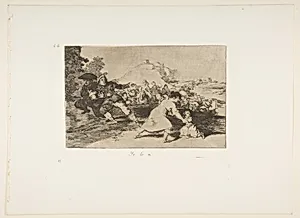
Plate 44 from "The Disasters of War" (Los Desastres de la Guerra): 'I saw it' (Yo lo vi)
1810 (published 1863)
Medium
Etching, drypoint, burin
Dimensions
Plate: 6 1/4 × 9 1/4 in. (15.8 × 23.5 cm) Sheet: 9 13/16 × 13 1/2 in. (25 × 34.3 cm)
Classification
Prints
Department
Drawings and Prints
Museum
Metropolitan Museum of Art, New York, NY
Credit
Purchase, Jacob H. Schiff Bequest, 1922
Accession Number
22.60.25(44)
Rights
Public Domain
Tags
Art Historical Context
**Plate 44: 'I saw it' (Yo lo vi) from *The Disasters of War Francisco de Goya Lucientes created this haunting etching in 1810 amid the horrors of the Peninsular War (1808–1814), Spain's brutal fight for independence against Napoleon's invading forces. Part of his seminal series *Los Desastres de la*—82 prints documenting war's atrocities—this plate captures a raw, eyewitness moment of violence involving men, women, and children. stark title, "Yo lo vi" ("I saw it"), underscores G's personal testimony, transforming the work into a powerful indictment of human savagery. Though etched during the conflict, the series wasn't published until 1863, likely due to political censorship, allowing its unflinching realism to influence later generations. Goya masterfully combined etching, drypoint, and burin techniques to achieve intense contrasts and expressive lines on a modest 6¼ × 9¼-inch plate. Drypoint's velvety burr adds emotional depth, while the burin's precision sharpens details of despair. As a pioneer of Romanticism with proto-modernist edges, Goya abandoned heroic ideals for grim truth, making this print a cornerstone of war art. Housed in the Metropolitan Museum of Art, it reminds visitors of art's role in bearing witness to history's darkest chapters.
About the Artist
Goya (Francisco de Goya y Lucientes) · 1746–1828
Francisco José de Goya y Lucientes (1746-1828) was a Spanish painter and printmaker considered the last of the Old Masters and the first of the moderns. Rising from modest provincial origins to become First Court Painter to Charles IV, Goya's career spanned the Enlightenment's optimism and the brutal Napoleonic invasion that shattered it. A mysterious illness in 1793 left him permanently deaf and ...