
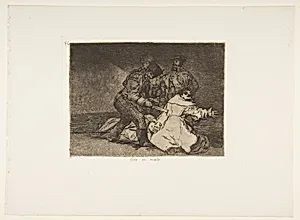
Plate 46 from "The Disasters of War" (Los Desastres de la Guerra): 'This is bad' (Esto es malo)
1810 (published 1863)
Medium
Etching, burnished aquatint, lavis, drypoint, burin, burnisher
Dimensions
Plate: 5 15/16 × 8 1/16 in. (15.1 × 20.4 cm) Plate: 9 7/8 × 13 1/2 in. (25.1 × 34.3 cm)
Classification
Prints
Department
Drawings and Prints
Museum
Metropolitan Museum of Art, New York, NY
Credit
Purchase, Jacob H. Schiff Bequest, 1922
Accession Number
22.60.25(46)
Rights
Public Domain
Tags
Art Historical Context
Francisco de Goya y Luc, a pivotal figure in the transition from Enlightenment art to Romanticism, created *Plate 46: "This is bad" ( es malo)* as part of his seminal series *The Disasters War* (Los Des de la Guerra) around 1810. This etching captures the raw horrors of the Peninsular War (18081814), Spain's brutal fight for independence against Napoleon's invading forces. Goya, serving as court painter yet a fierce critic of violence, documented atrocities through 82 prints, blending eyewitness realism with unflinching emotional power. The stark title echoes a victim's despair amid widespread suffering, as evoked by the tags of men in torment. Goya masterfully combined etching, burnished aquatint, lavis, drypoint, burin, and burnisher on a modest plate (5 15/16 × 8 1/16 in.), achieving velvety blacks, sharp lines, and ghostly textures that mimic his expressive drawings. These innovative techniques amplified the series' visceral impact, making it a landmark in printmaking and anti-war art—centuries ahead of its 1863 publication, delayed by political censorship. Housed in the Metropolitan Museum of Art's Drawings and Prints department (purchase, Jacob H. Schiff Bequest, 1922), this work endures as a timeless condemnation of human cruelty, influencing modern artists like Picasso and urging viewers to confront war's dehumanizing toll.
About the Artist
Goya (Francisco de Goya y Lucientes) · 1746–1828
Francisco José de Goya y Lucientes (1746-1828) was a Spanish painter and printmaker considered the last of the Old Masters and the first of the moderns. Rising from modest provincial origins to become First Court Painter to Charles IV, Goya's career spanned the Enlightenment's optimism and the brutal Napoleonic invasion that shattered it. A mysterious illness in 1793 left him permanently deaf and ...