
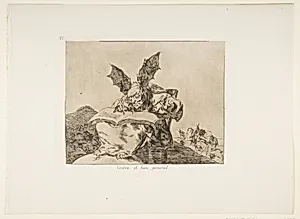
Plate 71 from "The Disasters of War" (Los Desastres de la Guerra): 'Against the common good' (Contra el bien general)
1814–15 (published 1863)
Medium
Etching, burnisher
Dimensions
Plate: 6 7/8 × 8 11/16 in. (17.5 × 22 cm) Sheet: 9 15/16 × 13 9/16 in. (25.2 × 34.5 cm)
Classification
Prints
Department
Drawings and Prints
Museum
Metropolitan Museum of Art, New York, NY
Credit
Purchase, Jacob H. Schiff Bequest, 1922
Accession Number
22.60.25(71)
Rights
Public Domain
Tags
Art Historical Context
Francisco de Goya y Luc, a pioneering Spanish Romantic artist, created *Plate 71: 'Against the Common Good' (Contra el bien general)* as part of his monumental series *The Disasters of War* (Los Desastres de la Guerra between 1814 and 1815. This etching captures the raw brutality and moral outrage of the Peninsular War (18081814), Spain's fight for independence against Napoleon's invading forces. Though etched during the conflict's aftermath, the 82-plate series wasn't published until 1863 due to its scathing political commentary, which extended beyond battlefield horrors to critique famine, reprisals, and the repressive Bourbon restoration under Ferdinand VII. Plate 71, with its tag evoking "writing," likely satirizes corrupt decrees or proclamations undermining public welfare, embodying Goya's unflinching realism. Goya's etching technique, enhanced by burnisher—a tool that polishes the plate for velvety tones and subtle highlights—allowed unprecedented expressiveness in printmaking. This drypoint-like detail conveyed anguish and irony far beyond traditional engraving, influencing modern war artists from Picasso to contemporary photojournalists. At 6 7/8 × 8 11/16 inches, its intimate scale draws viewers into the chaos, making the personal political. Acquired by The Metropolitan Museum of Art in 1922 through the Jacob H. Schiff Bequest, this print remains a timeless testament to art's power to confront injustice, urging us to reflect on power's cost to humanity.
About the Artist
Goya (Francisco de Goya y Lucientes) · 1746–1828
Francisco José de Goya y Lucientes (1746-1828) was a Spanish painter and printmaker considered the last of the Old Masters and the first of the moderns. Rising from modest provincial origins to become First Court Painter to Charles IV, Goya's career spanned the Enlightenment's optimism and the brutal Napoleonic invasion that shattered it. A mysterious illness in 1793 left him permanently deaf and ...