
Platter (part of a service)
Unknown Artist
1785–1800
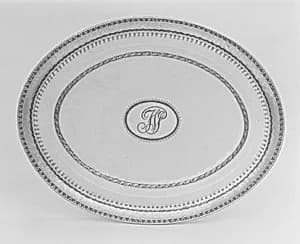
Medium
Hard-paste porcelain
Dimensions
Overall: 10 1/4 × 13 3/16 in. (26 × 33.5 cm)
Classification
Ceramics-Porcelain-Export
Culture
Chinese, for British market
Department
European Sculpture and Decorative Arts
Museum
Metropolitan Museum of Art, New York, NY
Credit
Helena Woolworth McCann Collection, Gift of Winfield Foundation, 1951
Accession Number
51.86.208
Rights
Public Domain
Art Historical Context
This elegant platter, crafted in China between 1785 and 1800 specifically for the British market, the pinnacle of 18th-century export porcelain Measuring 10¼ × 13⅜ inches (26 × 33.5 cm), it forms part of a larger dinner service, designed as luxurious tableware for affluent European households. Made from high-quality hard-paste porcelain durable, translucent material perfected by Chinese potters centuries earlier—this piece highlights the technical mastery of Jingdezhen kilns, where fine white clay (kaolin) and petuntse were fired at intense temperatures to create its signature strength and sheen. During the late 1700s, amid booming trade via the British East India Company, Chinese artisans produced vast quantities of customized porcelain to suit Western tastes, blending Eastern craftsmanship with European motifs like armorial crests or scenic landscapes. These export wares fueled the craze for chinoiserie in Britain, symbolizing wealth, global commerce, and cultural exchange. Adorning British dining tables, such platters elevated everyday meals into displays of sophistication. Today, housed in The Metropolitan Museum of Art's European Sculpture and Decorative Arts collection (Helena Woolworth McCann Collection, Gift of Winfield Foundation, 1951), this anonymous masterpiece invites us to savor the intricate dance of East-West aesthetics that shaped decorative arts history.