
Pleated linen of queen Neferu
Unknown Artist
ca. 2051–2030 B.C.
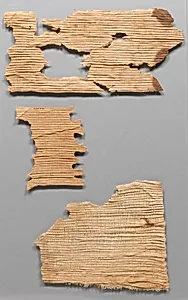
Medium
Linen
Dimensions
H. 14.5 × W. 12 cm (5 11/16 × 4 3/4 in.)
Classification
Sash or band, pleated, queen Neferu
Period
Middle Kingdom
Department
Egyptian Art
Museum
Metropolitan Museum of Art, New York, NY
Credit
Rogers Fund, 1925
Accession Number
25.3.257b
Rights
Public Domain
Art Historical Context
Step into the world of ancient Egypt with the *Pleated Linen of Queen Nefer*, a delicate artifact from the Middle Kingdom's 11 (ca. 2051–2030 B.C.). This small yet exquisite piece of linen, measuring just 14.5 × 12 cm, once adorned or wrapped the queen, offering a tangible link to royal life over 4,000 years ago. by the Metropolitan Museum of Art through the Rogers Fund in 192, it exemplifies the refined artistry of early Middle Kingdom Egypt, a period of reunification and cultural revival following centuries of division. Linen held profound cultural significance in ancient Egypt, prized for its purity, breathability, and symbolic connection to the divine. Derived from flax grown along the Nile, it was woven into the finest textiles for elite burials and daily wear. The intricate pleating on this fragment showcases masterful textile techniques—likely achieved through careful folding and starching—demonstrating the skill of anonymous artisans who produced sheer, luxurious fabrics fit for royalty like Queen Neferu, possibly consort to a powerful ruler such as Mentuhotep II. Today, this unassuming linen whispers stories of eternity: in Egyptian belief, such garments ensured comfort in the afterlife. Its preservation highlights the enduring legacy of Egyptian craftsmanship, inviting us to marvel at how everyday materials became vessels of immortality.