
Pomona with the cornucopia
Unknown Artist
ca. 1560
Medium
Onyx, gold, enamels, and pearls
Dimensions
Height: 3/4 in. (1.9 cm)
Classification
Lapidary Work-Gems
Culture
Italian
Department
European Sculpture and Decorative Arts
Museum
Metropolitan Museum of Art, New York, NY
Credit
The Milton Weil Collection, 1938
Accession Number
38.150.11
Rights
Public Domain
Tags
Art Historical Context
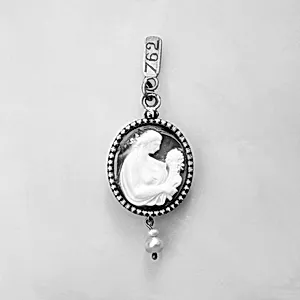
Behold the exquisite *Pomona with the Cornopia*, a diminutive masterpiece of Italian lapidary art from around 1560, now housed in the Metropolitan Museum of Art's European Sculpture and Decorative collection. Carved from onyx and adorned with gold, vibrant enamels, and pearls this gem measures just 3/4 inch (1.9 cm) in height—small enough to wear as a pendant or adorn a collector's cabinet. It depicts Pomona, the Roman goddess of gardens, orchards, and fruitful abundance, gracefully holding the cornucopia, or horn of plenty, overflowing with the earth's bounty. Crafted during the Renaissance, when Italian artisans revived classical antiquity through intricate gem carving, this piece exemplifies the era's fascination with mythology and opulent materials. Onyx, prized for its layered translucency, allowed skilled engravers to create delicate cameos that captured fine details like flowing drapery and symbolic fruits. Enameling added jewel-like color, while gold and pearls elevated it to a status symbol for the elite, blending sculpture, jewelry, and devotion to nature's prosperity. Though by an unknown artist, its cultural resonance endures: Pomona embodied fertility and the Renaissance humanist ideal of harmony with the natural world. A testament to 16th-century technical virtuosity, this tiny treasure invites us to marvel at how such modest scale could hold such grand mythological power. (198 words)