
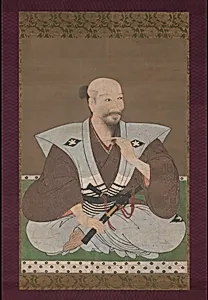
武将肖像画|Portrait of a Warrior
late 16th century
Medium
Hanging scroll; ink and color on silk
Dimensions
Image: 47 13/16 x 33 9/16 in. (121.4 x 85.2 cm) Overall with mounting: 86 3/4 x 41 5/8 in. (220.3 x 105.7 cm) Overall with knobs: 86 3/4 x 45 1/8 in. (220.3 x 114.6 cm)
Classification
Paintings
Culture & Period
Japan · Momoyama period (1573–1615)
Department
Asian Art
Museum
Metropolitan Museum of Art, New York, NY
Credit
Purchase, 2003 Benefit Fund, 2004
Accession Number
2004.309
Rights
Public Domain
Tags
Art Historical Context
This striking *Portrait of a Warrior*, late 16th-century hanging scroll painted in ink and color on, captures the fierce resolve of a Japanese military leader during the tumultuous Momoyama period (157–1615). Measuring nearly four feet tall, the image depicts a stern-faced man in elaborate armor, embodying the samurai ideal of bushidō—loyalty, valor, and discipline. Created by an unidentified artist, it reflects era's shift from endless civil wars toward unification under powerful daimyo like Toyotomi Hideyoshi, when such portraits immortalized warlords and their retainers as near-mythic heroes. Hanging scrolls like this were prized possessions, unrolled for admiration during tea ceremonies or private viewings, allowing the warrior's imposing presence to dominate a room. The Momoyama style favored bold, vibrant colors and dynamic compositions, often linked to the influential Kanō school, which blended Chinese ink traditions with lavish gold and mineral pigments on silk for luminous depth and texture. This medium's fragility underscores its status as a luxury item, meant for elite connoisseurs. Acquired by the Metropolitan Museum of Art in 2004, the portrait offers a window into Japan's warrior culture at its zenith, just before the peaceful Edo period. Visitors can almost hear the clash of swords in its unflinching gaze—a testament to art's power to preserve history's boldest figures.