
Relief fragment, tomb of Meketre
Unknown Artist
ca. 1981–1975 B.C.
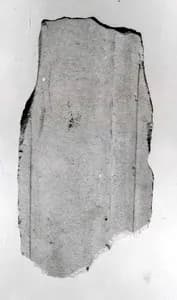
Medium
Limestone, paint
Classification
Relief fragment, tomb of Meketre
Period
Middle Kingdom
Department
Egyptian Art
Museum
Metropolitan Museum of Art, New York, NY
Credit
Rogers Fund and Edward S. Harkness Gift, 1920
Accession Number
20.3.1037
Rights
Public Domain
Art Historical Context
This exquisite relief fragment originates from the tomb of Mre, a prominent official Egypt's Middle Kingdom, specifically Dynasty 12 (ca. 1981–1975.C.). Crafted during the reign of early 12th Dynasty pharaohs like Senret I, such tomb decorations were essential for the afterlife, ensuring the deceased's eternal sustenance through vivid depictions of daily life, offerings, or. Meketre's tomb, near Thebes, exemplifies the period's resurgence in artistic patronage after the instability of the First Intermediate PeriodCarved in limestone and enhanced with mineral-based paints—still remarkably preserved after millennia—the fragment showcases classic Egyptian techniques like sunken relief, where figures were incised into the stone for sharp, enduring outlines. The addition of color brought these scenes to dynamic life, using vibrant reds, blues, and yellows to convey hierarchy, motion, and prosperity, a hallmark of Middle Kingdom naturalism and refined craftsmanship. Acquired by The Metropolitan Museum of Art through the Rogers Fund and Edward S. Harkness Gift in 1920, this piece offers visitors a tangible window into ancient Egyptian beliefs in immortality and elite society. Its survival highlights the tomb's role as a "house of eternity," blending artistry with profound cultural reverence.