
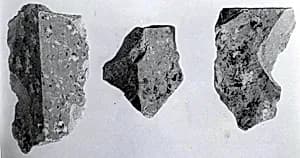
Relief fragment, tomb of Meketre
Unknown Artist
ca. 1981–1975 B.C.
Medium
Limestone, paint
Classification
Relief fragment, tomb of Meketre
Period
Middle Kingdom
Department
Egyptian Art
Museum
Metropolitan Museum of Art, New York, NY
Credit
Rogers Fund and Edward S. Harkness Gift, 1920
Accession Number
20.3.954bis
Rights
Public Domain
Art Historical Context
Step into the world of Middle Kingdom Egypt with this captivating *Relief fragment from the tomb of Meket*, dating to around 1981–1975 B.C. during Dynasty 12. Meketre, a powerful vizier and treasurer under pharaohs like Mentuhotep II andostris I, commissioned his tomb at Deir el-Bahri near Thebes. Such reliefs adorned tomb walls to magically provide for the deceased in the afterlife, capturing scenes of daily life, offerings, or estate management in vivid detail. Carved from limestone and enhanced with mineral-based paints, the fragment showcases masterful ancient Egyptian techniques. Artists incised figures and hieroglyphs into the soft stone, then applied pigments like red ochre, malachite, and Egyptian blue for lifelike color that has endured millennia. This low-relief style—neither fully sculptural nor flat—created depth and movement, reflecting the era's refined artistry after the Old Kingdom's grandeur. Now at the Metropolitan Museum of Art (acquired via Rogers Fund and Edward S. Harkness Gift in 1920), this piece highlights the Middle Kingdom's cultural revival. It underscores Egyptians' profound beliefs in eternity, where art bridged the living world and the divine realm, offering visitors a tangible glimpse into a 4,000-year-old story of power, piety, and permanence.