
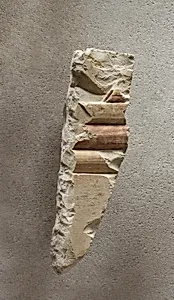
Relief of the foot of an ox- see 26.3.353-3
Unknown Artist
ca. 2051–2030 B.C.
Medium
Limestone, paint
Dimensions
H. 6.5 x W. 20 cm (2 9/16 x 7 7/8 in.)
Classification
Relief, foot of oxen, Neferu
Period
Middle Kingdom
Department
Egyptian Art
Museum
Metropolitan Museum of Art, New York, NY
Credit
Rogers Fund, 1926
Accession Number
26.3.353oo
Rights
Public Domain
Art Historical Context
This delicate limestone relief fragment captures the sturdy foot of an ox, a humble yet evocative detail from ancient Egypt's Middle Kingdom (. 2051–2030 B.C.), specifically Dynasty 11. Carved during a time of reunification and cultural revival following the chaos of the First Intermediate Period such pieces often adorned tomb walls or offering chapels, evoking the rhythms of daily life and the afterlife. Measuring just 6.5 x 20 cm, it formed part of a larger scene—note the reference to related fragment 26.3.353-3—highlighting the meticulous preservation efforts at the Metropolitan Museum of Art, acquired through the Rogers Fund in 1926. Crafted in low-relief technique on fine limestone, the artwork originally bore traces of vibrant paint, a hallmark of Egyptian art that brought carvings to vivid life. Pigments like red ochre or blue frit would have emphasized muscles and contours, making the ox's hoof appear almost tangible. This method allowed for intricate details in small spaces, blending sculpture and painting to convey realism and symbolism. Oxen held profound cultural significance in ancient Egypt as emblems of fertility, strength, and agricultural bounty—essential for plowing the Nile's fertile banks. In funerary contexts, they symbolized offerings to sustain the deceased, reflecting the Egyptians' deep reverence for the natural world and cosmic order. A small fragment, yes, but one that opens a window into a civilization's enduring ingenuity.