
Sampler
Unknown Artist
19th century
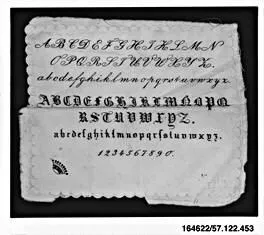
Medium
Cotton on linen
Dimensions
H. 10 3/4 x W. 12 5/8 inches (27.3 x 32.1 cm)
Classification
Textiles-Embroidered
Culture
German
Department
European Sculpture and Decorative Arts
Museum
Metropolitan Museum of Art, New York, NY
Credit
From the Collection of Mrs. Lathrop Colgate Harper, Bequest of Mabel Herbert Harper, 1957
Accession Number
57.122.453
Rights
Public Domain
Art Historical Context
This delicate 19th-century German sampler, crafted by an unknown artist from cotton threads on a linen ground, measures 10 3/4 x 12 5/8 inches. Housed in the Metropolitan Museum of Art's Department of European Sculpture and Decor Arts, it exemplifies the embroidered textiles that adorned homes and showcased personal skill across Europe. Donated through the bequest of Mabel Herbert Harper from the collection of Mrs. Lathrop Colgate Harper in 1957, it invites us to appreciate the quiet artistry of everyday craftsmanship. Samplers like this were typically created by young girls as educational exercises, practicing essential stitches and motifs while learning alphabets, numbers, and moral verses. In 19th-century Germany, they held cultural significance as markers of femininity, virtue, and domestic preparedness—often displayed as proud achievements or future dowry pieces. The medium of cotton on linen allowed for fine, durable embroidery, highlighting techniques like cross-stitch or satin stitch that blended utility with beauty. Today, this sampler offers a window into women's lives and folk traditions, preserving the tactile heritage of European decorative arts. Its presence in the Met's collection underscores the value of humble textiles in telling broader stories of education, family, and cultural identity.