
Servet van wit linnendamast
Unknown Artist
c. 1767 - c. 1816
Medium
damask
Dimensions
114.5; 84.5
Rights
Public Domain
About this artwork
hoogte 114,5 cm x breedte 84,5 cm
Art Historical Context
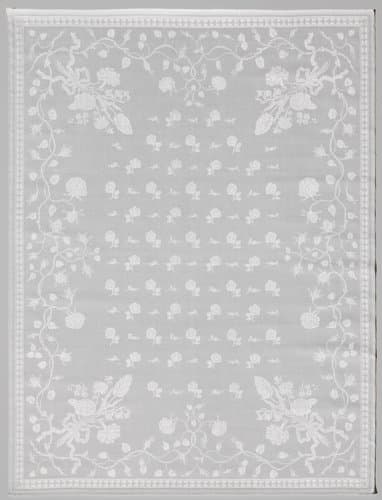
Behold the *Servet van wit lendamast*, a finely crafted napkin of white linen damask from 1767 to 1816. Measuring approximately 114.5 cm high by 84.5 cm wide, this substantial piece exemplifies the elegance of 18th- and early 19th-century household textiles. Though the artist—weaver—is unknown, its creation reflects the skilled craftsmanship of linen-producing regions, likely in the Netherlands or Flanders, where damask weaving flourished. Damask, a sophisticated reversible fabric, achieves its intricate patterns through contrasting satin and sateen weaves that play with light and shadow, even in monochromatic white. Linen damask was prized for table linens like this servet, symbolizing refinement and prosperity in bourgeois homes. During the Georgian and early Regency eras, such items elevated everyday dining into a display of taste and status. This napkin offers a tactile glimpse into domestic life, highlighting the artistry of textile production before industrialization. Its preservation underscores the cultural value placed on enduring, functional beauty in pre-modern Europe.