
Shard
Unknown Artist
15th century
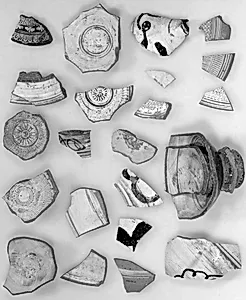
Medium
Pottery
Dimensions
Largest shard: H. 3 in. (7.6 cm); Diam. 5 3/8 in. (13.7 cm) Smallest shard: H. 1 in. (2.5 cm)
Classification
Ceramics
Culture & Period
Korea · Joseon dynasty (1392–1910)
Department
Asian Art
Museum
Metropolitan Museum of Art, New York, NY
Credit
Gift of John and Betty Menke, 1978
Accession Number
1978.531.50
Rights
Public Domain
Art Historical Context
Welcome to the intriguing "Shard," a poignant fragment of 15th-century Korean pottery the Joseon dynasty (2–1910). These ceramic pieces, gifted to the Metropolitan Museum of Art by John Betty Menke in 8, include a largest shard measuring 3 inches (7.6 cm) high and 5⅜ inches (13.7 cm) in diameter, alongside a smaller one at just 1 inch (2.5 cm) high. Displayed in the Asian Art, they offer a tactile glimpse into Joseon-era craftsmanship, where pottery was central to daily life and ritual. The Joseon period marked a golden age for Korean ceramics, blending functionality with subtle elegance. Though the full vessel is lost to time, these shards evoke the era's technical prowess—likely wheel-thrown and fired in kilns that produced durable stoneware. Such fragments highlight how pottery served both utilitarian purposes, like storage or tableware, and cultural ones, reflecting Confucian values of harmony and restraint in design. As museum treasures, these shards remind us of Korea's enduring ceramic legacy, bridging ancient artisans to modern viewers. Though incomplete, they whisper stories of a dynasty's artistic refinement, inviting us to ponder the hands that shaped them centuries ago.