
Sherd
Unknown Artist
ca. 6th–8th century CE
Medium
Ceramic
Dimensions
W. 1 15/16 × L. 2 5/16 × Th. 7/16 in. (5 × 5.8 × 1.1 cm)
Classification
Ceramics-Vessels
Culture & Period
Sasanian or Islamic · Sasanian–early Islamic
Department
Ancient Near Eastern Art
Museum
Metropolitan Museum of Art, New York, NY
Credit
Rogers Fund, 1932
Accession Number
32.150.457
Rights
Public Domain
Art Historical Context
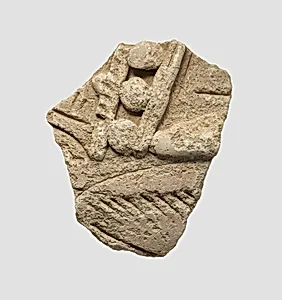
This modest ceramic sherd, a from a larger vessel, offers a tangible glimpse into the daily life of the Sasanian or early Islamic Near East around the 6th–8th centuries CE. Measuring just under 2 inches wide, it survives from a time when the Sasanian Empireknown for its sophisticated Persian artistry—gave way to the rise of Islam, blending traditions across Mesopotamia and Persia. Acquired through the Rogers Fund in 2, it now resides in the Metropolitan Museum Art's Department of Ancient Near Eastern ArtCeramics like this were central to household and trade activities, often wheel-thrown or molded from local clays and fired in kilns to create durable wares for storage, cooking, or serving. While this sherd's exact form and decoration remain simple indicators of utility, it reflects the technical prowess of potters during a transitional era, where vessel shapes echoed imperial motifs before evolving under Islamic influences. As an archaeological treasure, such fragments puzzle together stories of cultural continuity and innovation, reminding us how everyday objects illuminate vanished worlds. Though small, this piece connects us to artisans whose hands shaped the foundations of enduring Near Eastern traditions.