
Sherds
Unknown Artist
ca. 1300 BCE
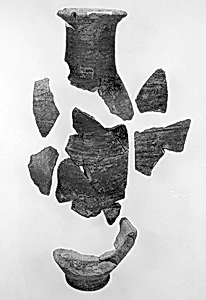
Medium
Ceramic
Dimensions
5.04 in. (12.8 cm)
Classification
Ceramics-Vessels
Culture & Period
Mitanni · Mitanni
Department
Ancient Near Eastern Art
Museum
Metropolitan Museum of Art, New York, NY
Credit
Purchase, Colt Archaeological Institute Inc. Gift, 1988
Accession Number
1988.323.3a, b
Rights
Public Domain
Art Historical Context
Welcome to the Ancient Near Eastern Art gallery, where we encounter *Sherds*, fragile yet evocative ceramic fragments from the Mitanni culture, dating to around 1300 BCE These pieces, measuring just 5.04 inches (12.8 cm), are remnants of vessels crafted during the height of the Mitanni kingdom powerful Hurrian-speaking realm in northern Mesopotamia and Syria that flourished from about 1500 to 1300 BCE. through a generous gift from the Colt Archaeological Institute in 1988, they now reside in The Metropolitan Museum of Art. Mitanni pottery like these sherds offers a window into Bronze Age daily life, trade, and craftsmanship. As part of a vibrant ceramic tradition, such vessels were essential for storage, serving, and ritual use, often reflecting influences from neighboring powers like the Hittites and Egyptians through diplomacy and conquest. Though broken, these fragments preserve traces of the Mitanni's sophisticated wheel-thrown techniques and possible painted or incised decorations, highlighting their role in a interconnected ancient world. These unassuming sherds remind us how archaeology pieces together lost histories—each shard a testament to Mitanni innovation in the ancient Near East, bridging the gap between elite chariotry and everyday artistry.