
Sketches of People (Jinbutsu sōga) 人物艸画
1724
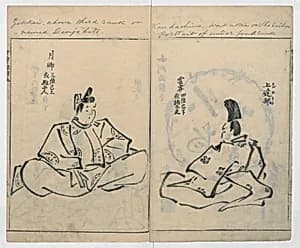
Medium
Ink on paper
Dimensions
10 5/8 × 7 1/8 × 3/8 in. (27 × 18.1 × 1 cm)
Classification
Illustrated Books
Culture & Period
Japan · Edo period (1615–1868)
Department
Asian Art
Museum
Metropolitan Museum of Art, New York, NY
Credit
Rogers Fund, 1918
Accession Number
JIB61
Rights
Public Domain
Art Historical Context
**Sketches of People (butsu sōga)**, created by the Japanese artist Kokan in 1724, is a delightful illustrated book from Japan's Edo period (16151868). This compact, measuring just 10⅝ × 7⅛ inches, features ink drawings on paper capturing the essence of human figures in a lively, sketch-like style known as *sōga*—often translated as "grass painting," evoking the fluid, spontaneous strokes of nature. Produced during a time of relative peace and urban flourishing, such works reflect the growing fascination with everyday life and portraiture in Japanese art. Kokan’s sketches likely served as both artistic studies and models for aspiring painters, emphasizing observation of poses, clothing, and expressions typical of Edo society. The use of ink on paper highlights the precision and economy of Japanese brushwork, a hallmark of the period's *ukiyo-e* influences, though this predates its full flowering. As part of the Metropolitan Museum of Art’s Asian Art collection (acquired via the Rogers Fund in 1918), it offers a window into how artists honed their skills in depicting the human form amid Japan's vibrant cultural scene. These intimate pages invite visitors to appreciate the timeless appeal of quick, expressive sketches—perfect for carrying artistic inspiration in one's pocket during the Tokugawa era.