
Sleeve Button
ca. 1876
Medium
Porcelain
Dimensions
13/16 x 1 1/8 in. (2.1 x 2.9 cm)
Classification
Sleeve button
Culture
American
Department
The American Wing
Museum
Metropolitan Museum of Art, New York, NY
Credit
Friends of the American Wing Fund, 1986
Accession Number
1986.111.4
Rights
Public Domain
Tags
Art Historical Context
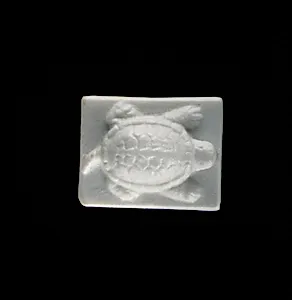
Nestled in the Metropolitan Museum of Art's American Wing, this delicate porcelain sleeve button from Union Porcelain Works, 1876, exemplifies artistry of America's burgeoning porcelain industry. Measuring just 13/16 x 1 1/8 inches, this tiny functional accessory—likely used to fasten sleeve cuffs—was crafted during the nation's Centennial era, a time of industrial optimism and national pride following the Civil War. Union Porcelain Works, based in Greenpoint, Brooklyn was a pioneer in producing high-quality hard-paste porcelain in the United States, rivaling European imports. The button's pristine white medium highlights the technical mastery required for such small-scale objects, where fine molding and glazing techniques ensured durability and elegance. Adorned with turtle motifs, it reflects Victorian-era fascination with nature-inspired designs, symbolizing resilience and longevity in decorative arts. Acquired through the Friends of the American Wing Fund in 1986, this piece offers a glimpse into everyday luxury, blending utility with subtle sophistication. It reminds us how 19th-century Americans elevated the mundane into miniature masterpieces.
About the Artist
Union Porcelain Works · 1863–1922
Union Porcelain Works, established in Greenpoint, Brooklyn, New York, in 1863, marked America's breakthrough in hard-paste porcelain production. Architect and builder Thomas Carll Smith (1815–1901) acquired the struggling factory from earlier owners like William Boch & Brothers after it faltered during the Civil War. In 1863, Smith traveled to Europe, studying porcelain techniques at the Manufactu...