
Stamp seal
Unknown Artist
ca. 5th century CE
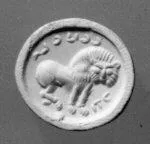
Medium
Carnelian
Dimensions
0.08 x 0.55 x 0.47 in. (0.2 x 1.4 x 1.19 cm)
Classification
Stone-Stamp Seals-Inscribed
Culture & Period
Sasanian · Sasanian
Department
Ancient Near Eastern Art
Museum
Metropolitan Museum of Art, New York, NY
Credit
Gift of John Taylor Johnston, 1881
Accession Number
81.6.288
Rights
Public Domain
Tags
Art Historical Context
This exquisite carnelian stamp seal, dating to around the 5th century, hails from the Sasanian culture of ancient Iran, a powerhouse empire that bridged the classical world and medieval Persia. Measuring just 0.08 x 0.55 x 0.47 inches, its diminutive size belies its practical power: these seals were essential tools for authentication, pressed into soft clay to mark documents, packages, or in the bustling Sasanian bureaucracy. The "inscribed" classification hints at engraved text—likely in Pahlavi script—alongside motifs featuring animals, a hallmark of Sasanian art symbolizing royal authority, protection, and the natural world. Crafted from carnelian, a durable reddish-orange semi-precious stone prized for its vibrant hue and resistance to wear, the seal showcases masterful intaglio carving techniques. Artisans meticulously incised designs into the hard stone, creating a raised impression when stamped. Such seals reflect the Sasanians' sophisticated administrative systems and artistic finesse, blending functionality with symbolism in everyday elite life. A generous gift to the Metropolitan Museum of Art from John Taylor Johnston in 1881, this tiny treasure now invites us to ponder the intricate details of a vanished empire's daily workings. Up close, it reveals the enduring legacy of Sasanian ingenuity.