
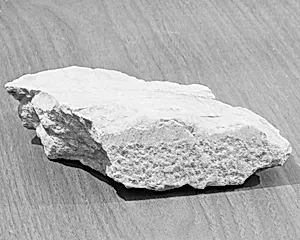
Stone Fragment
Unknown Artist
ca. 1130–40
Medium
Stone
Classification
Sculpture-Architectural
Culture
French
Department
The Cloisters
Museum
Metropolitan Museum of Art, New York, NY
Credit
Museum Accession
Accession Number
X.421.11
Rights
Public Domain
Art Historical Context
This modest yet evocative *Stone Fragment*, carved around 1130–40 by an unknown French artist, offers a glimpse into the robust world of Romanesque architecture. Dating to the High Middle Ages, it hails from a time when masons across France crafted intricate elements for monasteries, churches, and catrals, blending faith, engineering, and artistry. As an architectural sculpture, it likely once adorned a portal, capital, or wall, contributing to the era's emphasis on solidity and spiritual symbolism amid the region's growing pilgrimage routes. The use of stone as a medium underscores its practical and symbolic importance—durable against the elements, it allowed for deep relief carving that brought biblical narratives or decorative motifs to life in dimly lit interiors. Romanesque style, prevalent in 12th-century France, favored rounded arches, bold forms, and a sense of weighty grandeur, paving the way for the lighter Gothic innovations soon to follow. Though fragmented, this piece survives as a testament to anonymous craftsmen whose skill shaped Europe's sacred spaces. Housed in The Cloisters at the Metropolitan Museum of Art, it invites visitors to ponder the hands behind medieval marvels, evoking the chants of monks and the fervor of devotees in a bygone age. (198 words)