
Stucco Fragment
Unknown Artist
probably 8th–12th century
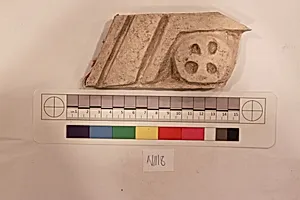
Medium
Gypsum; carved
Dimensions
H. 4 3/4 in. (12 cm) W. 2 3/8 in. (6 cm) D. 1 3/16 in. (3 cm)
Classification
Stucco
Department
Islamic Art
Museum
Metropolitan Museum of Art, New York, NY
Credit
Rogers Fund, 1948
Accession Number
48.101.1420
Rights
Public Domain
Art Historical Context
This delicate stucco fragment, carved from gypsum, hails from the Islamic world of the 8th to 12th centuries—a golden era of architectural splendor under caliphates like the Abbasids and Fatimids. Measuring just 4 3/4 inches high, it likely once adorned a mosque, palace, or madrasa, where stucco served as an affordable yet versatile medium for lavish decoration. Gypsum's softness allowed artisans to carve intricate low-relief patterns, evoking the rhythmic beauty of Islamic ornamentation without relying on forbidden figurative imagery. In Islamic art, stucco fragments like this exemplify masterful techniques of undercutting and beveling, creating depth and shadow play that animates geometric motifs, arabesques, or Kufic script. Though the exact design here is modest in scale, it reflects a broader cultural emphasis on infinity and harmony, drawing viewers into meditative contemplation. Such pieces were ubiquitous across regions from Iraq to Spain, blending Persian, Byzantine, and local influences. Acquired through the Rogers Fund in 1948, this artifact at the Metropolitan Museum of Art offers a tangible link to medieval Islamic craftsmanship, reminding us how everyday materials could transcend into art that still captivates today.