
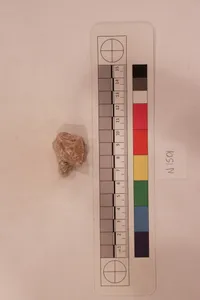
Stucco Fragment
Unknown Artist
probably 8th–12th century
Medium
Stucco; carved, painted
Dimensions
L 3.5x W 2.5 x H 2
Classification
Stucco
Department
Islamic Art
Museum
Metropolitan Museum of Art, New York, NY
Credit
Rogers Fund, 1948
Accession Number
48.101.1803
Rights
Public Domain
Art Historical Context
This delicate stucco fragment, dating to the 8th–12th, offers a glimpse into the refined artistry of early Islamic architecture. Crafted from stucco—a molded plaster made from gypsum, lime, and aggregates—it was carved with intricate designs and enhanced with vibrant paints, techniques that allowed artisans to create affordable yet luxurious decorations mimicking costly stonework. At just 3.5 x 2.5 x 2 inches, this small piece likely adorned a mosque, palace, or private home in regions like Iraq, Iran, or Egypt during the Abbasid or Fatimid eras. In Islamic art, stucco fragments like this exemplify the era's mastery of abstraction, featuring geometric patterns, floral motifs, or Kufic script that evoke spiritual harmony without figurative imagery. The carved reliefs, often undercut for shadow play, and surviving paint traces highlight innovative surface treatments that brought walls to life under lantern light. Such decorations symbolized paradise gardens and divine order, blending functionality with profound beauty. Acquired through the Rogers Fund in 1948, this fragment now resides in The Metropolitan Museum of Art's Islamic Art Department, preserving a tangible link to a golden age of cultural flourishing where art transcended materials to inspire awe.