
Stucco Fragment
Unknown Artist
probably 8th–12th century
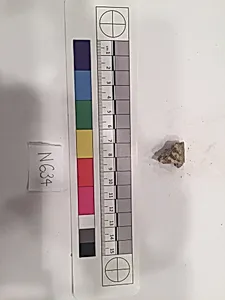
Medium
Stucco; carved
Dimensions
H. 13/16 in. (2 cm) W. 13/16 in. (2 cm) D. 9/16 in. (1.5 cm)
Classification
Stucco
Department
Islamic Art
Museum
Metropolitan Museum of Art, New York, NY
Credit
Rogers Fund, 1948
Accession Number
48.101.936
Rights
Public Domain
Art Historical Context
This delicate stucco fragment, likely carved between the 8th and 12th centuries, offers a glimpse into the refined artistry of early Islamic architecture. Measuring just 13/16 inches high, wide, and 9/16 inches deep it is a tiny survivor from a larger decorative ensemble, acquired through the Rogers Fund in 8 and now housed in the Metropolitan Museum of Art Department of Islamic Art. Stucco, a molded and carved plaster-like material, was a favored medium in the Islamic world during this period, prized for its versatility in creating intricate surface decorations on walls, arches, and mihrabs in mosques and palaces. Artisans skillfully incised patterns—often geometric, floral, or arabesque motifs—evoking the era's emphasis on harmony, infinity, and spiritual beauty without figurative representation. Though the specific design here remains unrecorded, such fragments highlight the technical prowess of anonymous craftsmen from regions like Iraq, Iran, or Egypt under Abbasid or Fatimid patronage. As a testament to everyday architectural splendor, this piece underscores the cultural importance of ornament in Islamic design, where every surface invited contemplation. Its preservation invites us to imagine the vibrant, light-filled spaces it once adorned.