
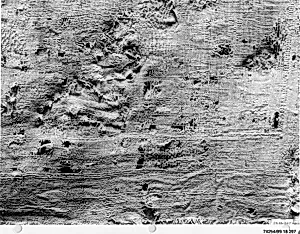
Textile Fragment
Unknown Artist
4th–5th century
Medium
Wool, linen; plain weave, tapestry weave (?)
Dimensions
H. 27 5/8 in. (70.1 cm) W. 19 in. (48.2 cm)
Classification
Textiles
Department
Islamic Art
Museum
Metropolitan Museum of Art, New York, NY
Credit
Purchase by subscription, 1889
Accession Number
89.18.207
Rights
Public Domain
Art Historical Context
This exquisite *Textile Fragment* from the 4th–5th century offers a rare glimpse into the artistry of Late Antiquity, housed in the Metropolitan Museum of's Department of Islamic Art. Craft from wool and linen using plain weave and possibly tapestry techniques, it measures an impressive 27⅝ × 19 inches (70.1 × 48.2 cm). Acquired through a subscription purchase in 1889 this survivor of time speaks to the enduring fragility and value of ancient textiles, which rarely endure due to their organic materials. In the bustling trade hubs of the early medieval Near East or North Africa—regions that would soon flourish under Islamic culture—such fragments adorned garments, furnishings, or ceremonial objects. The combination of sturdy linen warps with colorful wool wefts in tapestry-like patterns highlights sophisticated dyeing and weaving skills, bridging Roman, Byzantine, and pre-Islamic traditions. These techniques allowed for vibrant motifs that reflected daily life, symbolism, and cultural exchange along Silk Road routes. Today, this piece captivates as a tangible link to forgotten hands, reminding us how textiles wove the fabric of ancient societies. Its preservation underscores the Met's commitment to safeguarding these ephemeral treasures for modern eyes.