
Textile Fragment
Unknown Artist
18th century
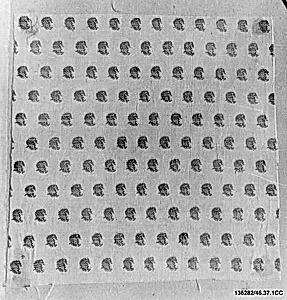
Medium
Silk, cotton, and metal wrapped thread; brocaded
Dimensions
H. 4 in. (10.2 cm) W. 4 in. (10.2 cm)
Classification
Textiles-Woven
Department
Islamic Art
Museum
Metropolitan Museum of Art, New York, NY
Credit
Gift of the Museum of the Cranbrook Academy of Art, 1946
Accession Number
46.37.1cc
Rights
Public Domain
Art Historical Context
This exquisite 18th-century textile fragment, measuring just 4 by 4 inches, offers a glimpse into the opulent world of Islamic woven artistry. Crafted from silk and cotton with metal-wrapped threads, it exemplifies brocading—a sophisticated technique where supplementary wefts are woven into the fabric to create raised, shimmering motifs. These luxurious materials, including metallic threads that catch the light, would have produced a richly textured surface, evoking the splendor of garments, turbans, or ceremonial hangings. In the Islamic world of the 1700s, such textiles were symbols of wealth and refinement, often produced in weaving centers like those in the Ottoman Empire, Safavid Persia, or Mughal India. Brocaded silks blended practicality with artistry, their intricate patterns—likely floral or geometric—reflecting cultural motifs of paradise gardens and infinite patterns rooted in Islamic aesthetics. The use of metal threads not only added durability and prestige but also a subtle auditory sparkle when worn or moved. Preserved as a gift to the Metropolitan Museum of Art from the Cranbrook Academy of Art in 1946, this small fragment highlights the fragility and enduring allure of Islamic textiles. Though incomplete, it invites us to imagine the vibrant courts and bustling bazaars where such masterpieces once thrived, bridging centuries of craftsmanship to modern admirers.