
Tile
Unknown Artist
probably 18th–19th century
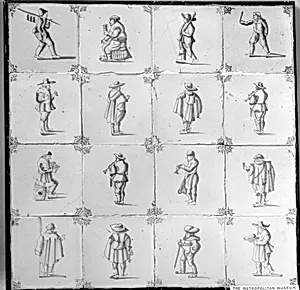
Medium
Delftware (tin-glazed earthenware)
Dimensions
5 1/8 × 5 1/8 in. (13 × 13 cm)
Classification
Ceramics-Pottery
Culture
Dutch
Department
European Sculpture and Decorative Arts
Museum
Metropolitan Museum of Art, New York, NY
Credit
Fletcher Fund, 1927
Accession Number
27.199.28
Rights
Public Domain
Art Historical Context
This charming square tile, crafted in the Netherlands during the 18th or 19th century, the enduring tradition of Delftware—tin-glazed earthenware that brought affordable luxury to Dutch homes. Produced primarily in Delft, these tiles mimicked the prized blue-and-white porcelain imported from China, using a tin-opacified glaze to create a smooth, glossy surface ideal for vibrant decorations. At just over five inches square, this modest piece was likely part of a larger wall panel or fireplace surround, transforming everyday spaces into artistic statements. Delftware tiles held immense cultural importance in Dutch society, adorning interiors of homes, taverns, and churches with motifs ranging from biblical tales to pastoral scenes and proverbs. The tin-glazing technique, applied before firing, allowed artisans to paint intricate designs that wouldn't run in the kiln, resulting in durable, colorful ceramics suited for humid climates. Though the artist remains unknown, such tiles reflect the guild craftsmanship of Delft factories, blending functionality with folk artistry during a golden age of Dutch decorative arts. Acquired through the Fletcher Fund in 1927, this tile now graces The Metropolitan Museum of Art's European Sculpture and Decorative Arts collection, offering visitors a tangible glimpse into 18th- and 19th-century domestic life. Its simple scale belies a rich story of innovation and cultural exchange.