
Tile Fragment
Unknown Artist
1334–1434
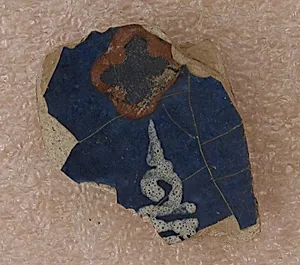
Medium
Stonepaste; polychrome painted under transparent glaze
Classification
Ceramics-Tiles
Department
Islamic Art
Museum
Metropolitan Museum of Art, New York, NY
Credit
Rogers Fund, 1945
Accession Number
45.103.12
Rights
Public Domain
Art Historical Context
This exquisite tile fragment, dating to the 14th century (1334–4), hails from the Islamic world, likely Persia or a neighboring region during a golden age of architectural decoration. Acquired through the Rogers Fund in 1945, it now graces the Metropolitan Museum of Art Islamic Art department. Such fragments were integral to opulent mosque and palace interiors, where vast tiled surfaces transformed sacred and secular spaces into shimmering displays of geometry, flora, and script—hallmarks of medieval Islamic aesthetics. Crafted in stonepaste (also known as fritware), a sophisticated ceramic body blending quartz, clay, and frit to achieve a fine, porcelain-like translucency, the tile features polychrome paints applied under a transparent glaze before firing. This underglaze technique ensured vibrant, long-lasting colors—typically cobalt blue, turquoise, and manganese purple—resistant to wear in humid climates. It exemplifies the technical ingenuity of Islamic potters, who rivaled Chinese porcelain while innovating local styles. Though incomplete, this fragment invites us to imagine its role in a larger mosaic, symbolizing the era's cultural flourishing under dynasties like the Timurids. A testament to artistry without ostentation, it reminds visitors of Islam's profound contributions to decorative arts.