
Two Kosode Fragments
Unknown Artist
second half of the 17th century
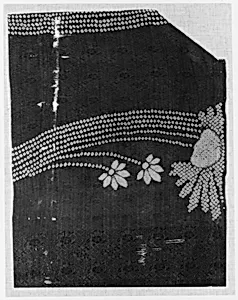
Medium
Ground of purple satin damask (rinzu)
Dimensions
A: H. 48 7/16 in. (123 cm); W. 14 5/16 in. (36.4 cm) B: H. 16 7/16 in. (41.7 cm); W. 12 11/16 in. (32.3 cm)
Classification
Textiles-Dyed
Culture & Period
Japan · Edo period (1615–1868)
Department
Asian Art
Museum
Metropolitan Museum of Art, New York, NY
Credit
Purchase, Roy R. and Marie S. Neuberger Foundation Inc. and several members of The Chairman's Council Gifts, 2000 Benefit Fund, and funds from various donors, 2001
Accession Number
2001.428.2a, b
Rights
Public Domain
Art Historical Context
These exquisite *Two Kosode Fragments* from Japan's Edo period (1615–1868), specifically the second half of the17th century—a time of relative peace and prosperity that fueled a boom in lavish textiles and fashion. Kosode, the precursor to the modern kimono, were-sleeved robes initially worn as undergarments but increasingly as outerwear for the elite, adorned with intricate patterns symbolizing status and taste. These fragments, preserved from what were once vibrant garments, offer a glimpse into everyday luxury during the early Genroku era, when urban culture in cities like Edo (modern Tokyo) flourished. Crafted on a ground of purple satin damask known as *rinzu*, the pieces showcase masterful Japanese weaving and dyeing techniques. Rinzu's subtle, reversible patterns emerge from the interplay of warp and weft threads in silk, creating a shimmering, textured surface ideal for elaborate motifs. The larger fragment (48 7/16 x 14 5/16 in.) and smaller one (16 7/16 x 12 11/16 in.) highlight the precision of resist-dyeing (*yuzen* influences) or embroidery, though details of designs are not specified here. Such textiles were labor-intensive, often produced in workshops, reflecting the era's artisanal expertise. In the Metropolitan Museum of Art's Asian Art collection, these fragments underscore the cultural importance of clothing as wearable art in Edo Japan, where fashion mirrored social hierarchies and seasonal aesthetics. Acquired through generous donations in 2001, they invite us to appreciate the fleeting beauty of silk—once draped on shoulders, now timeless treasures.