
BK-1955-141
c. 1610 - c. 1625
Medium
maiolica
Dimensions
41; 54.5; 3.5
Rights
Public Domain
About this artwork
hoogte 54,5 cm x breedte 41 cm x dikte 3,5 cm
Art Historical Context
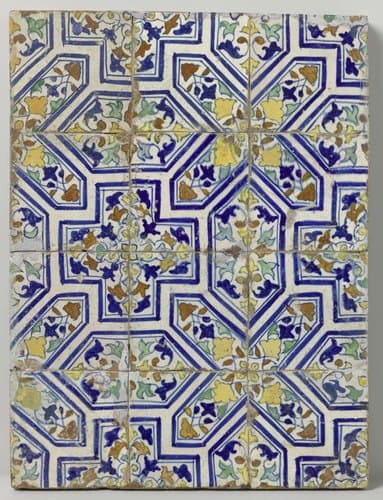
This anonymous maiolica panel, cataloged as BK-1955-141 and dated around 1610–1625, measures 54.5 cm high by 41 cm wide and 3.5 cm thick, suggesting it was designed as a decorative wall plaque or inset. Crafted during the early 17th, a pivotal time for European ceramics, it exemplifies maiolica—a tin-glazed earthenware prized for its vibrant colors and glossy finish. The medium originated in Renaissance Italy but flourished in the Northern Netherlands by this era, where potters in centers like Delft adapted Italian techniques to local tastes, often producing affordable luxury goods for prosperous homes. Maiolica's artistic significance lies in its versatile glazing process: a base layer of tin oxide created an opaque white ground, over which artists applied metallic oxide pigments in blues, greens, yellows, and purples before a final firing. This allowed for intricate designs that mimicked costlier Chinese porcelain or Italian faience, bridging art and everyday life. Though the specific imagery here remains undocumented, such panels typically featured biblical scenes, floral motifs, or genre subjects, reflecting the era's blend of Catholic iconography and emerging Protestant restraint. As a snapshot of 17th-century innovation, this piece highlights maiolica's role in democratizing beauty—turning humble clay into shimmering art. Visitors can appreciate how it captured the cultural exchange between Italy, the East, and the Dutch Golden Age, adorning burgher interiors with enduring elegance.
About the Artist
anonymous
In the vast tapestry of art history, "Anonymous" stands not as a singular individual but as a collective designation for countless unidentified creators whose works have endured across millennia. These artists, spanning prehistoric cave painters to medieval illuminators and folk craftsmen, produced the foundational layers of human visual culture. Prior to the Renaissance, when individual fame emer...