
Vessel
Unknown Artist
15th–16th century
Medium
Ceramic
Dimensions
H. 6 1/8 x Diam. 4 3/4 in. (15.6 x 12.1 cm)
Classification
Ceramics-Containers
Culture
Inca
Department
Arts of Africa, Oceania, and the Americas
Museum
Metropolitan Museum of Art, New York, NY
Credit
The Michael C. Rockefeller Memorial Collection, Bequest of Nelson A. Rockefeller, 1979
Accession Number
1979.206.1082
Rights
Public Domain
Tags
Art Historical Context
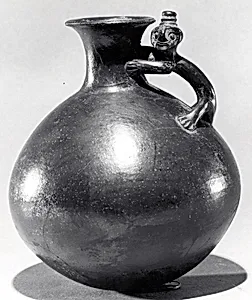
This elegant ceramic vessel hails from the Inca Empire of the 15th–16th centuries, a time when the Andes' vast civilization flourished before Spanish conquest. Crafted by an unknown artist, it exemplifies Inca pottery traditions, where vessels like this served both practical purposes—such as storing liquids or food—and ritual ones, often linked to offerings or ceremonies honoring Pachamama, the earth mother. Measuring just 6 1/8 inches tall and 4 3/4 inches in diameter, its compact form highlights the Inca mastery of modeling clay into functional yet symbolically rich objects. The vessel's animal motifs, a hallmark of Inca ceramics, reflect the culture's deep reverence for the natural world. Animals like llamas, birds, or felines frequently symbolized fertility, protection, or deities in Inca cosmology. Artisans employed slip-painting techniques—applying colored clay slips before firing—to create vivid, durable designs on burnished surfaces, achieving a glossy finish without wheels or glazes. This low-fired earthenware underscores the Inca's resourceful adaptation to high-altitude environments. Now part of The Michael C. Rockefeller Memorial Collection at The Metropolitan Museum of Art, this vessel offers a tangible glimpse into pre-Columbian ingenuity, bridging everyday life and spirituality in one of history's great empires.