
Wine bottle
Unknown Artist
1850
Medium
Faience with decoration in colored enamels (Satsuma ware)
Dimensions
H. 8 1/4 in. (21 cm); W. 3 7/8 in. square (9.8 cm)
Classification
Ceramics
Culture & Period
Japan · Edo period (1615–1868)
Department
Asian Art
Museum
Metropolitan Museum of Art, New York, NY
Credit
Gift of Mrs. V. Everit Macy, 1923
Accession Number
23.225.352
Rights
Public Domain
Tags
Art Historical Context
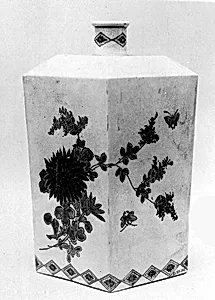
This charming wine bottle, around 1850 during Japan's Edo period (1615–8), exemplifies the refined artistry of Satsuma, a type of faience pottery renowned for its vibrant enamel decorations. Standing at 8¼ inches tall with a distinctive square base measuring nearly 4 inches wide, this piece from the Metropolitan Museum of Art Asian Art collection was generously gifted by Mrs. V Everit Macy in 3. Its unknown creator adorned the creamy white body with intricate motifs of butterflies and flowers, evoking the fleeting beauty of nature and seasonal renewal in Japanese culture—perfect for a sake vessel shared in intimate gatherings. Satsuma ware, originating from Japan's Satsuma province, combined a tin-glazed earthenware base with overglaze colored enamels fired at low temperatures. This technique allowed for exquisite polychrome details, from delicate wing patterns on butterflies to lush floral blooms, showcasing the period's mastery of ceramic innovation amid Japan's isolationist policies. By the mid-19th century, such wares hinted at the artistic prowess that would soon captivate international audiences post-Meiji Restoration. As a window into Edo-era domestic luxury, this bottle highlights how everyday objects became canvases for poetic expression, blending functionality with aesthetic delight. Visitors, imagine toasting with it under lantern light!