
Wreaths, 6
Unknown Artist
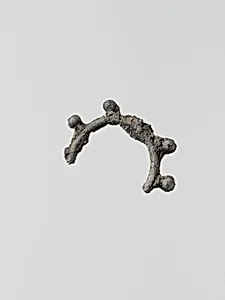
Medium
Lead
Dimensions
Diameter: 7/8 in. (2.2 cm)
Classification
Miscellaneous-Lead
Culture
Greek, Laconian
Department
Greek and Roman Art
Museum
Metropolitan Museum of Art, New York, NY
Credit
Gift of A. J. B. Wace, 1924
Accession Number
24.195.170
Rights
Public Domain
Tags
Art Historical Context
Nestled in the Greek and Roman Art department of Metropolitan Museum of Art,Wreaths, 6* consists of six delicate lead wreaths, each with a modest diameter of just 7/8 inch (2.2 cm). Crafted by an unknown Laconian artist—hailing from the ancient region of Laconia in the Peloponnese, home to Sparta—these miniature pieces were generously gifted by archaeologist A.J.B. Wace in 1924. Made of lead, a humble yet durable medium, they exemplify themiscellaneous-lead" classification highlighting everyday materials in antiquity. In ancient Greek culture, wreaths symbolized victory, honor, and divine favor, often worn by athletes, heroes, or the deceased in funerary rites. Laconian examples like these were likely votive offerings dedicated at sanctuaries or placed in tombs, reflecting Sparta's austere values where simplicity trumped ostentation. Lead, being malleable and affordable, allowed for mass production of such ritual objects, possibly cast or hand-formed to mimic laurel or olive branches—emblems of Apollo and athletic triumphs. These tiny treasures offer a window into Laconian devotion, bridging the worlds of religion, sport, and death. Though small, their preservation speaks to the enduring cultural reverence for wreaths in Greek life, inviting us to ponder the personal rituals of long-ago Spartans.