
Writing Box (Suzuribako) with Design of Fans
Unknown Artist
17th century
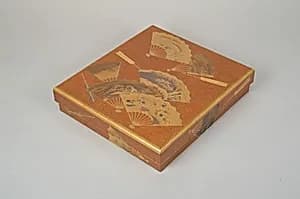
Medium
Gold and silver maki-e on gold-sprinkled lacquer
Dimensions
H. 2 in. (5.1 cm); W. 9 in. (22.9 cm); D. 9 7/8 in. (25.1 cm)
Classification
Lacquer
Culture & Period
Japan · Momoyama (1573–1615) or Edo period (1615–1868)
Department
Asian Art
Museum
Metropolitan Museum of Art, New York, NY
Credit
Bequest of Benjamin Altman, 1913
Accession Number
14.40.841a–e
Rights
Public Domain
Tags
Art Historical Context
This exquisite *Writing Box (Suzurako) with Design of*, crafted by an unknown Japanese artist in the 17th, hails from the opulent Momoyama (1573–1615) or early Edo period (1615–1868). Suzuribako were portable writing sets, elegantly housing inkstones, brushes, and paper, prized by samurai, scholars, and elites as both functional tools and symbols of refined taste. Measuring just 2 inches high, 9 inches wide, and nearly 10 inches deep, this compact lacquer box reflects the era's mastery of miniaturization and luxury craftsmanship. The box's surface dazzles with gold and silver *maki-e*—a revered technique where powdered precious metals are sprinkled onto wet lacquer to create raised, shimmering designs—applied over a gold-sprinkled lacquer ground. Fans, a motif evoking summer breezes, courtly gatherings, and poetic elegance, adorn its panels, showcasing the playful yet sophisticated aesthetics of Japanese decorative arts. Lacquerware like this, durable and waterproof, elevated everyday objects into art, embodying *wabi-sabi* harmony and imperial splendor. Now in the Metropolitan Museum of Art's Asian Art Department, thanks to the 1913 bequest of Benjamin Altman, this piece invites us to appreciate Japan's golden age of lacquer innovation, where beauty met utility in perfect poise.