Ctrl K
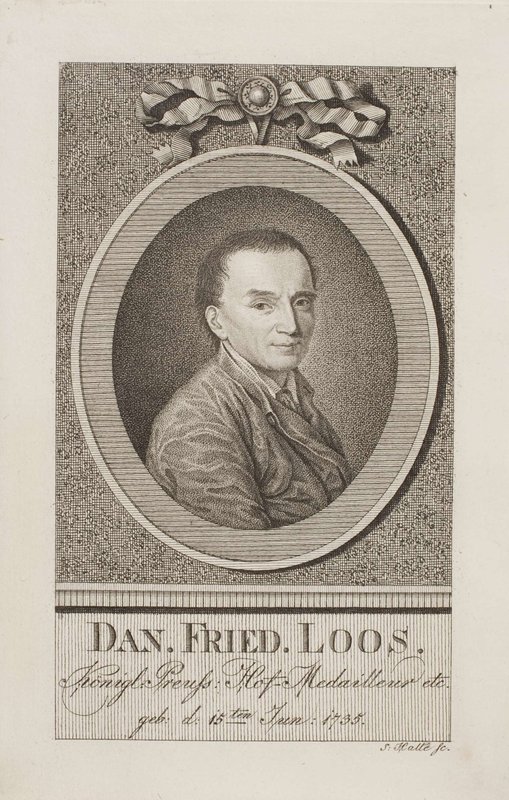
1735–1819
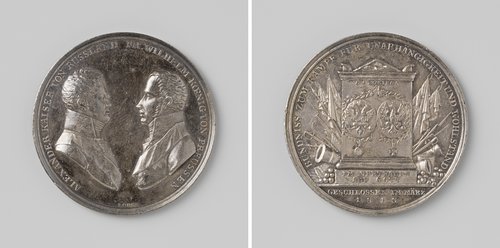
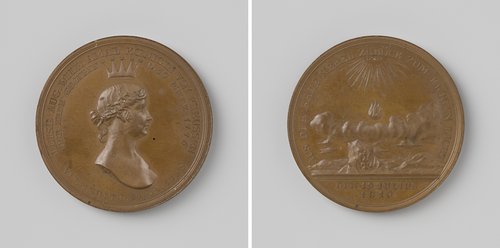
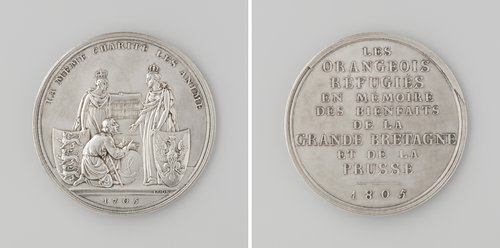
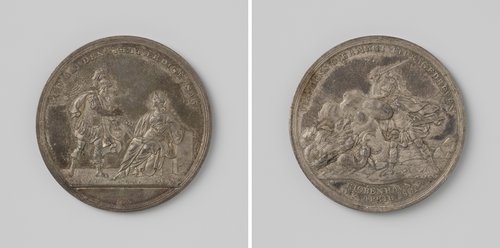
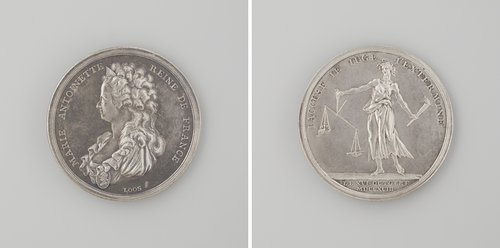
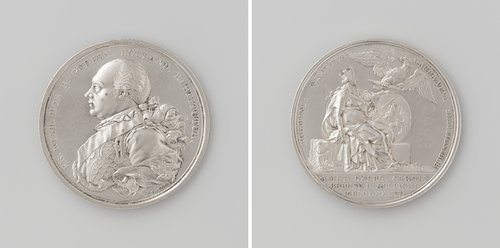
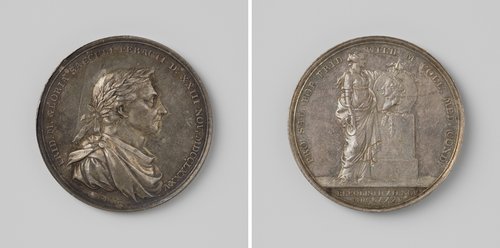
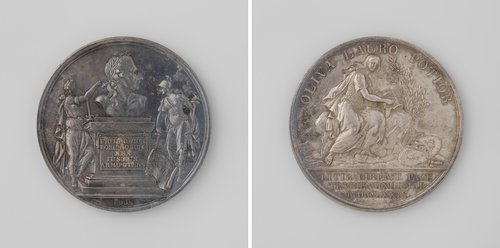
Daniel Friedrich Loos (1735–1819) was a German medallist, engraver, and die-cutter who served as chief engraver and medalist for the Kingdom of Prussia during a crucial period of Prussian history. Born on June 15, 1735, in Altenburg and dying on October 1, 1819, in Berlin, Loos pursued an 84-year life that spanned from the reign of Frederick William I through the Napoleonic Wars and into the post-Napoleonic restoration. His career exemplified the specialized craft of medal engraving and die-cutting—creating the master dies from which commemorative medals and coins were struck—a profession requiring exceptional precision, artistic skill, and technical expertise. Loos received his training under Johann Friedrich Stieler (1729–1790) in Altenburg, learning the demanding techniques of steel engraving and die-cutting. His appointment as Prussian Court Medallist gave him official responsibility for creating medals commemorating important events, honoring distinguished individuals, and celebrating royal occasions. Among his documented works are medals commemorating King Frederick William III of Prussia and Queen Louise (1809), and probably a medal marking the Annexation of Erfurt to Prussia (1803). These works demonstrate both his technical mastery and his role in creating the visual culture of Prussian state power and dynastic continuity. As chief engraver for Prussia, Loos occupied an important position in the state apparatus, creating the imagery that communicated royal authority and celebrated Prussian achievements. Medals in this period served multiple functions—they documented historical events, honored individuals for service or achievement, commemorated dynastic occasions, and circulated as diplomatic gifts. The medallist's art combined miniature sculpture with practical metallurgy, requiring both aesthetic sensitivity and technical precision. Loos's long career, extending through Prussia's transformation from a regional German power to a leading European state, meant his medals documented crucial decades of Prussian and German history. His works are held in major collections including the Metropolitan Museum of Art and are valued both as artistic achievements and as historical documents.
Daniel Friedrich Loos was born on June 15, 1735, in Altenburg, a small but culturally significant city in Thuringia (central Germany) that was the capital of the Duchy of Saxe-Altenburg. Altenburg possessed a tradition of artistic craftsmanship and small-scale luxury production, making it an appropriate location for specialized training in medallic arts.
Loos apprenticed under Johann Friedrich Stieler (1729–1790), an engraver and die-cutter working in Altenburg. Under Stieler's instruction, Loos learned the demanding craft of medal engraving and die-cutting. This training involved mastering the technical skills required to work in hardened steel, creating relief designs that would serve as master dies for striking medals. The process required exceptional precision—medal dies were typically engraved in intaglio (incised into the steel), so that when struck against softer metal blanks, they would produce raised (relief) designs on the finished medals.
The apprenticeship would have involved learning to use specialized engraving tools, understanding the properties of different metals, mastering techniques for hardening and tempering steel dies, and developing the aesthetic judgment necessary to create effective miniature compositions. Medal design required understanding of portraiture (for obverse portrait heads), heraldry and symbolic systems (for reverse designs), and lettering (for inscriptions). The training also encompassed the mechanical aspects of die production and the striking process by which dies were used to create finished medals.
Beyond technical skills, Loos would have studied classical and contemporary medals to understand the conventions and compositional principles of medallic art. The tradition of commemorative medal-making extended back to the Italian Renaissance, and medallists needed familiarity with this history to work within established aesthetic and symbolic frameworks.
By the early 1760s, Loos had completed his training and evidently established sufficient reputation to come to the attention of Prussian authorities. Prussia under Frederick the Great (r. 1740–1786) was ascending to major power status, and the kingdom required skilled craftsmen to create the medals and coins that communicated royal authority and commemorated state achievements.
Loos's move to Berlin and entry into Prussian service placed him at the center of an ambitious, militaristic state that was transforming the European balance of power. Frederick the Great's Prussia valued technical expertise and rewarded talented craftsmen who could contribute to state prestige and functionality. Medal engraving, though a specialized niche, represented an important dimension of royal image-making and historical commemoration.
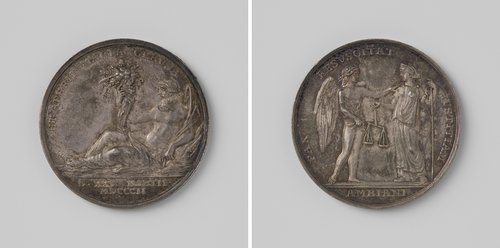
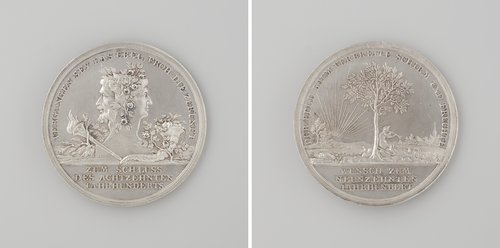
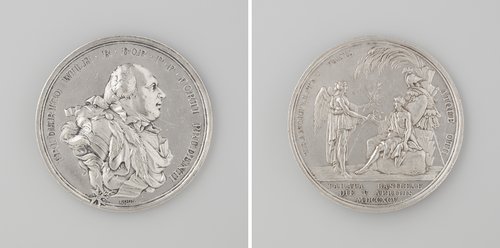
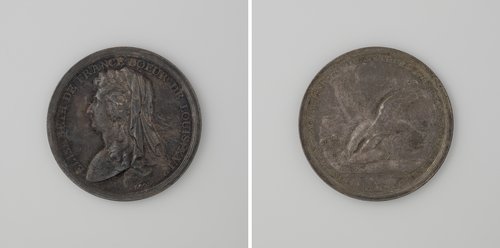
During these decades, Loos would have created medals for various purposes—commemorating military victories, celebrating royal events, honoring distinguished service, and marking diplomatic occasions. Prussian medals circulated both within the kingdom and internationally, serving as gifts to foreign dignitaries and visual propaganda asserting Prussia's importance.
The technical challenges of creating medal dies required both artistic skill and metallurgical knowledge. Loos needed to design effective compositions in the constrained circular format of medals, render portrait features recognizably yet idealized in miniature scale, and execute the engraving with sufficient precision that multiple strikings from his dies would produce consistent, high-quality impressions. The dies had to be hardened properly to withstand repeated striking without degrading, yet remain workable during the engraving process.
Loos achieved the title of Prussian Court Medallist, recognizing his official role as chief engraver and medallist for the kingdom. This position carried both prestige and responsibility—he was the primary creator of Prussia's official medals and played a crucial role in producing the visual imagery of Prussian state identity.
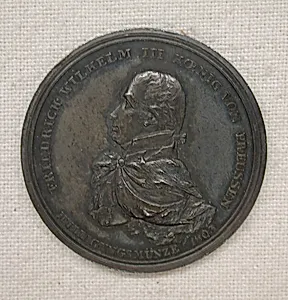
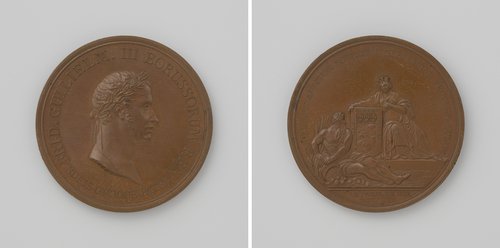
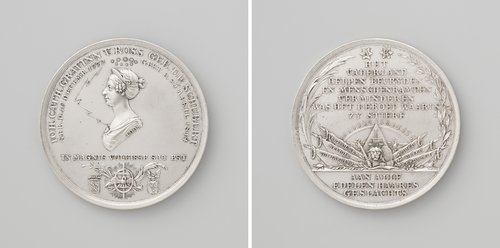
Among his documented works from this period is the medal commemorating King Frederick William III of Prussia and Queen Louise, dated 1809. This medal depicted the royal couple, probably in profile portraits on the obverse, with appropriate inscriptions and possibly allegorical or heraldic imagery on the reverse. The year 1809 was difficult for Prussia—the kingdom was recovering from devastating defeat by Napoleon at the battles of Jena and Auerstedt (1806) and was under French occupation and heavy reparations. Creating medals honoring the king and queen in these circumstances represented an assertion of continuing Prussian identity and hope for eventual restoration.
Loos is also probably the creator of a medal marking the Annexation of Erfurt to Prussia in 1803, an event that expanded Prussian territory. Such commemorative medals documented territorial changes and celebrated Prussian expansion, serving both as historical records and as assertions of Prussian power.
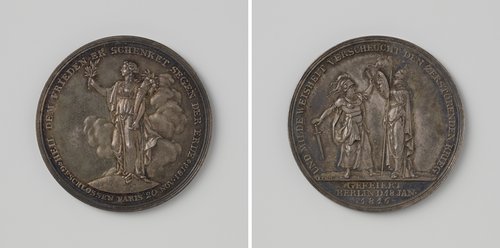
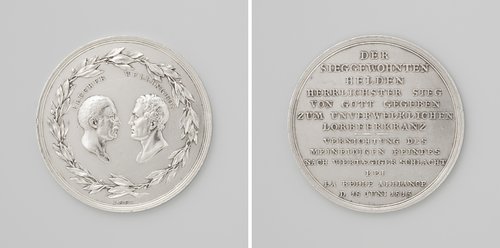
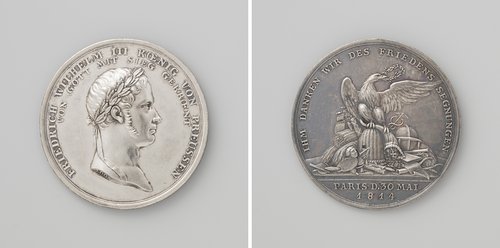
The final decades of Loos's career coincided with the dramatic Napoleonic period and its aftermath. Prussia experienced catastrophic military defeat (1806), occupation and humiliation under French domination (1806–1813), gradual recovery through military reform and national mobilization, participation in the Wars of Liberation against Napoleon (1813–1814), and finally restoration and territorial expansion at the Congress of Vienna (1815). Throughout these tumultuous years, Loos continued his work, creating the medals that commemorated events and maintained visual continuity of Prussian state identity.
Daniel Friedrich Loos died in Berlin on October 1, 1819, at the remarkable age of 84. His long life had encompassed the rise of Prussia from a regional German power to a major European state, and his medals had documented crucial moments in this transformation. His works survive in major museum collections, including the Metropolitan Museum of Art in New York, where they are valued both as artistic achievements and as historical documents providing tangible connection to Prussian and German history.
Artheon Research Team
Last updated: 2025-11-09
Biography length: ~1,548 words