Ctrl K
1615–1700
Occupations
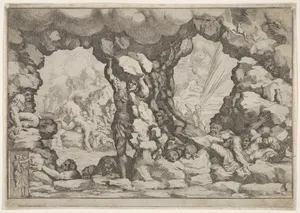
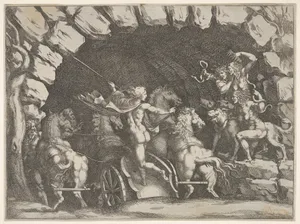
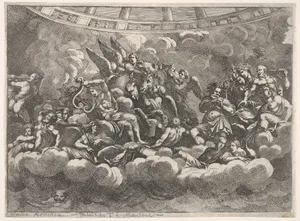
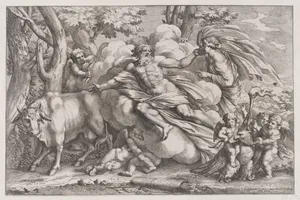
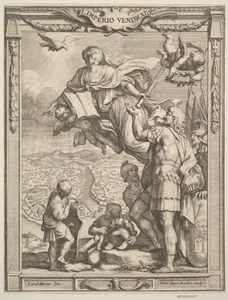
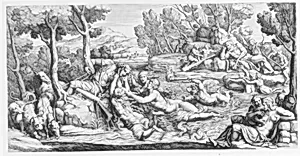
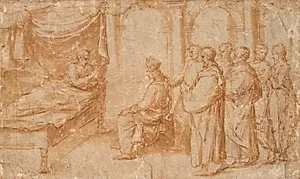
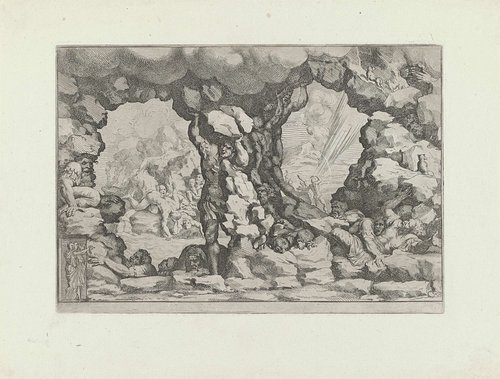
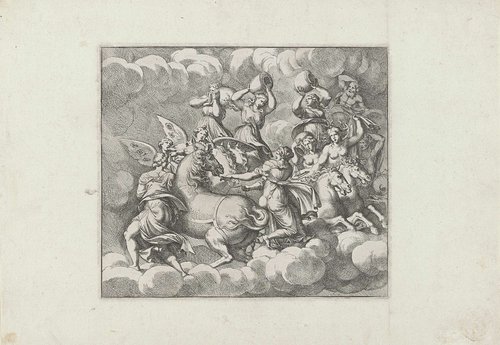
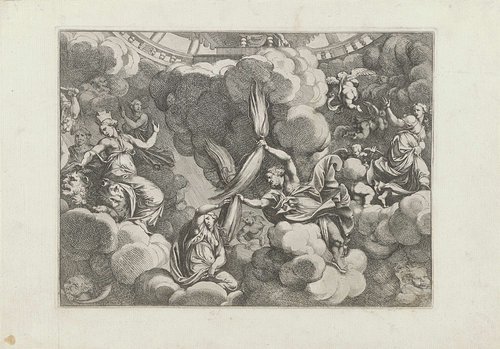
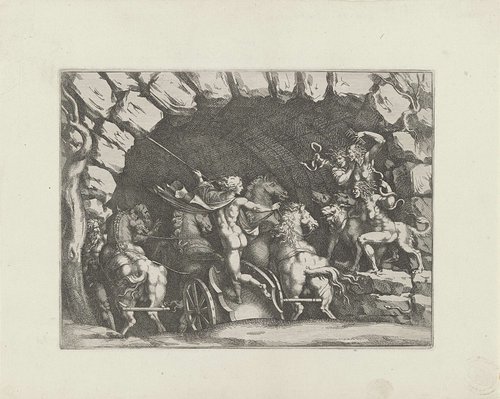
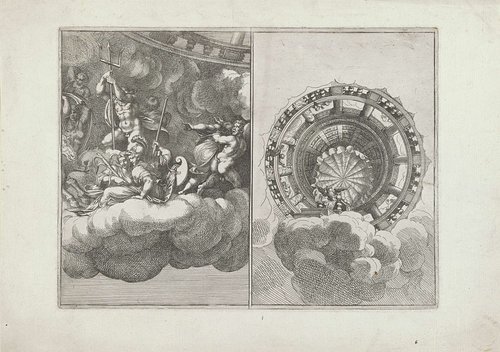
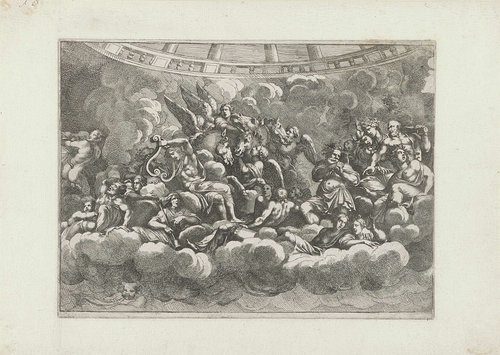
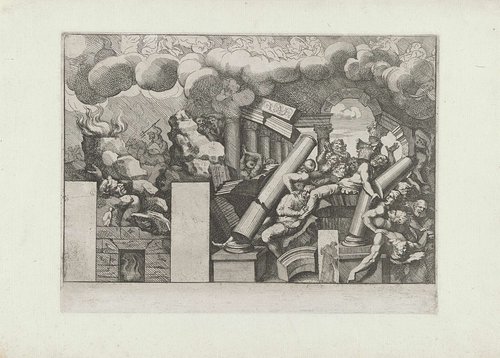
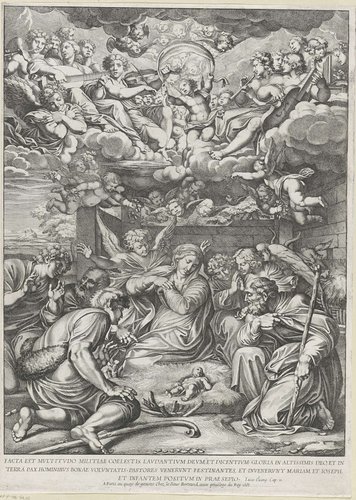
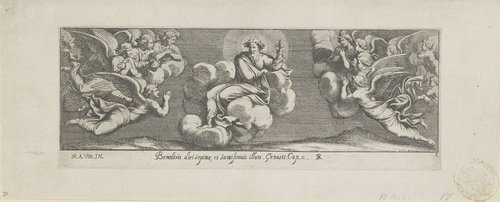
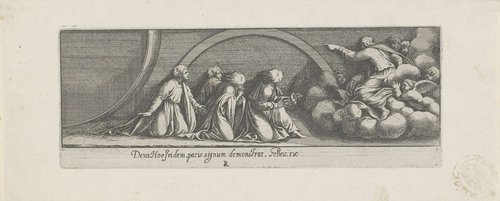
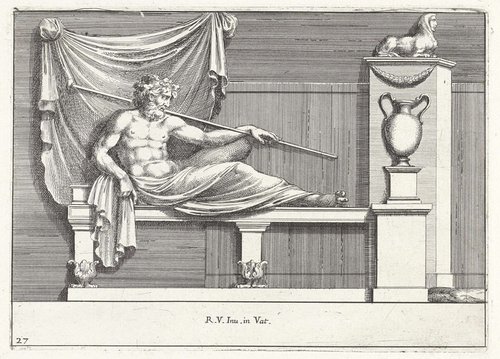
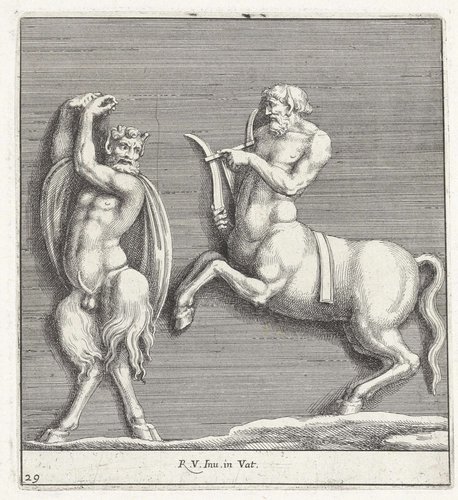
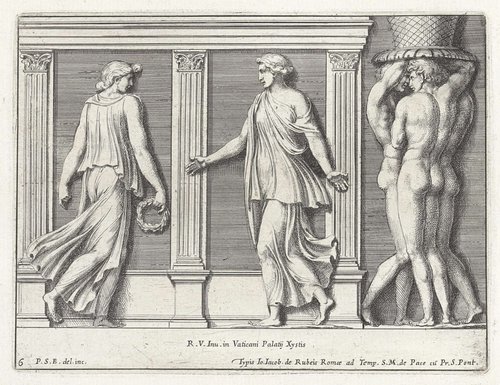
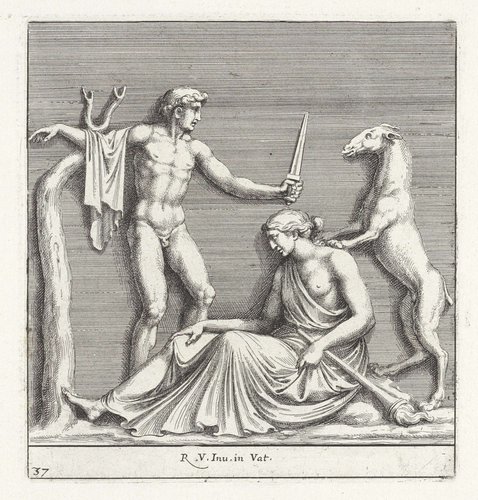
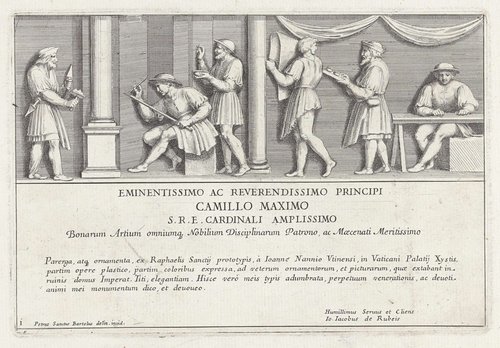
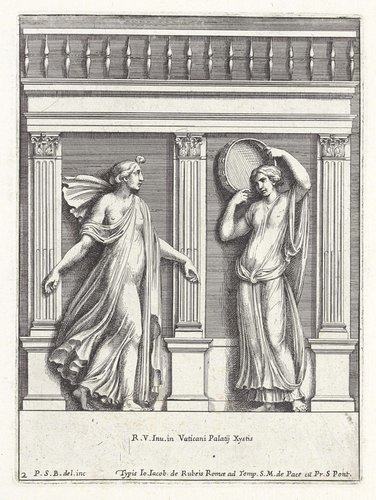
Pietro Santi Bartoli, born in Perugia in 1635, emerged as a pivotal figure in the Roman antiquarian revival of the late seventeenth century. Relocating to Rome as a youth, he initially pursued painting, studying under the French artist Jean Lemaire—known as "Le Petit Lemaire"—and later under the esteemed Nicolas Poussin, whose classical rigor profoundly shaped his early approach. Though traces of his painted oeuvre are scarce, Bartoli soon abandoned easel painting for the precision of etching and engraving, channeling his talents into meticulous reproductions of ancient Roman art. His draughtsmanship captured landscapes, religious scenes, antique mythological subjects, and faithful copies after masters like Raphael and the Carracci, but it was his dedication to classical antiquities that defined his legacy.
Bartoli's career flourished amid Rome's vibrant scholarly circles, where he served as antiquarian to Queen Christina of Sweden and Cardinal Camillo Massimo. Around 1660, he excavated Nero's Domus Aurea, producing detailed drawings that illuminated its long-buried frescoes. Collaborating closely with art theorist Giovanni Pietro Bellori, he etched plates for landmark publications, blending artistic skill with archaeological insight. His son, Francesco Bartoli, later assisted on projects, continuing the family tradition. Working in the Roman antiquarian tradition, Bartoli's etchings emphasized fidelity to originals, employing burin and aquatint techniques to revive ancient paintings, mosaics, and sculptures for a European audience—from Paris, where he visited Louis XIV's court, to scholarly presses back in Rome.
Among his major works are the 128 plates of *Colonna Traiana* (1673, with Alfonso Ciacconi), documenting Trajan's Column; *Le pitture antiche del sepolcro de' Nasonii* (1680, 35 plates); *Admiranda Romanarum Antiquitatum* (1693, 81 plates); and *Romanae Magnitudinis Monumenta* (1699, 138 plates with Domenico de' Rossi). He also reproduced the Vatican *Codice Virgiliano* in 55 plates (1677) and ancient lamps in *Veterum Lucernae Sepulcrales* (1691). These volumes, often annotated by Bellori, preserved fragile artifacts amid urban decay.
Bartoli died in Rome on 7 November 1700 and was buried in San Lorenzo in Lucina beside Poussin's tomb—a fitting tribute to his master. His engravings earned praise from Johann Joachim Winckelmann as models for accurate antiquity studies, ensuring his enduring influence on neoclassicism and art historical scholarship. Today, with over 165 works documented in collections, Bartoli stands as a bridge between Renaissance humanism and Enlightenment archaeology.
Wikidata (CC0); Getty ULAN (ODC-By)