Ctrl K
1584–1634
Hu Zhengyan (胡正言, c. 1584–c. 1674) was a Chinese artist, publisher, seal-carver, and printmaking innovator who lived through the turbulent transition from the Ming to the Qing dynasty. Born in Xiuning in Anhui province, he eventually settled in Nanjing, where he established his home and workshop on a hill within the northern city wall and named the property the Ten Bamboo Studio, or Shizhuzhai, after the ten bamboo plants growing before it. The studio became a meeting place for like-minded artists and scholars and served as the operational center of his printing enterprise.
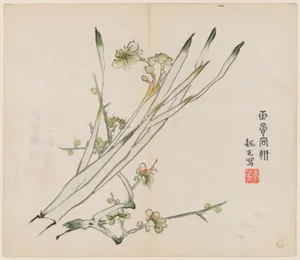
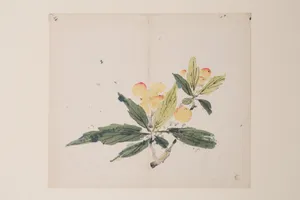
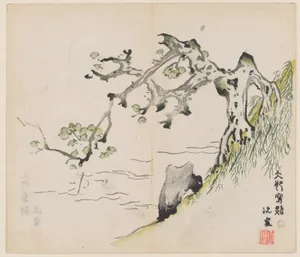
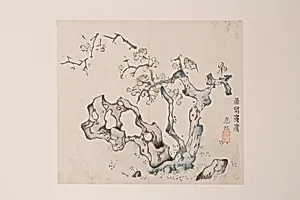
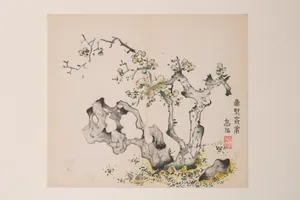
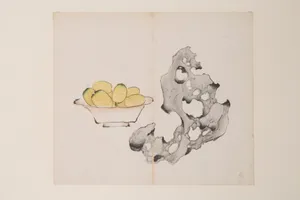
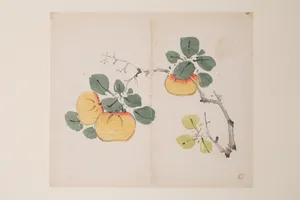
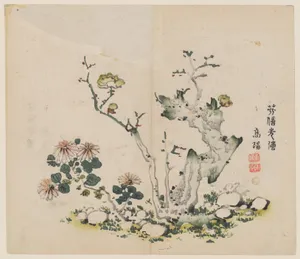
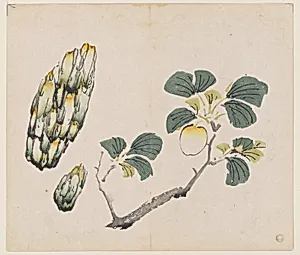
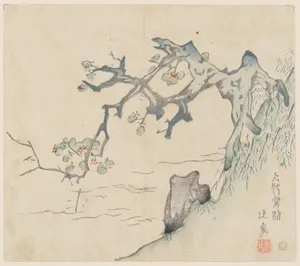
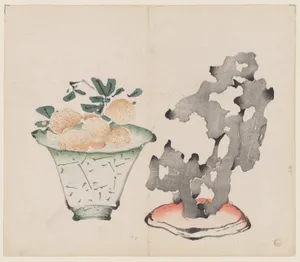
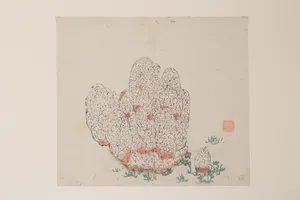
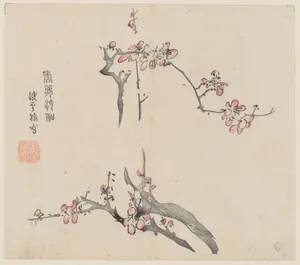
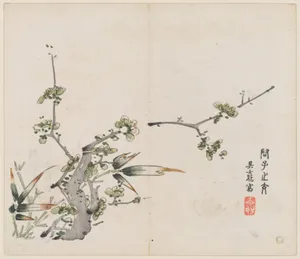
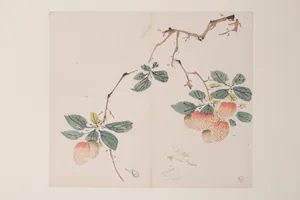
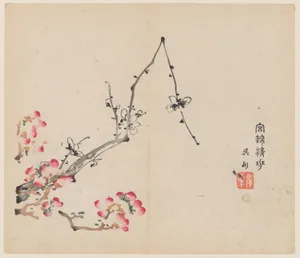
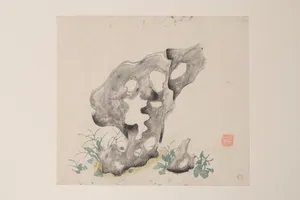
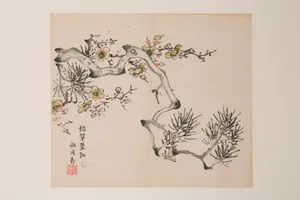
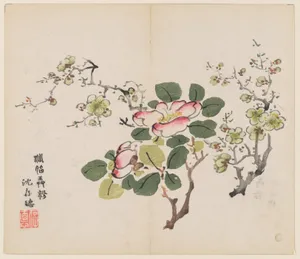
Hu was accomplished across multiple classical arts: he practiced calligraphy, traditional painting, and seal-carving, working in a style rooted in the ancient seal script of the Han dynasty and aligned with the Huizhou school of carving. As a publisher, he produced scholarly texts and records of artistic practice, but his most consequential contribution lay in his innovations in woodblock printing technology. Working with a team of artisans that included family members, he experimented with multi-block color printing techniques, developing processes for layering colored inks and creating embossed printed designs—a method known as assorted block printing, or douban yinshua. These innovations allowed him to produce some of the earliest Chinese publications in full polychrome, with subtly graduated tones that had previously been impossible to achieve through printing.
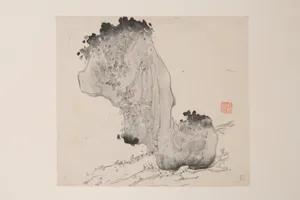
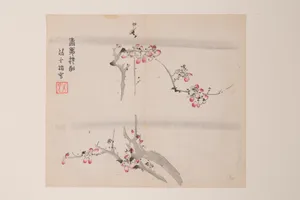
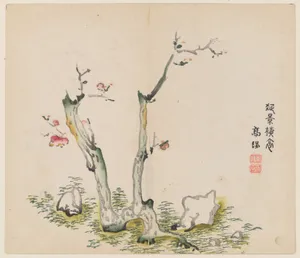
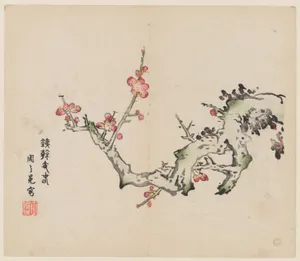
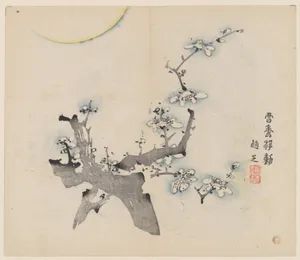
The crowning achievement of these experiments was the Shizhuzhai Shuhuapu, or Ten Bamboo Studio Manual of Painting and Calligraphy, produced between approximately 1619 and 1633. This multi-volume compendium of paintings and calligraphy reproduced through color woodblock printing set a new standard for the medium and became enormously influential. The techniques Hu developed at the Ten Bamboo Studio spread to Japan, where they contributed significantly to the development of color woodblock printing—the tradition from which the great Edo-period ukiyo-e prints would eventually emerge.
A Ming loyalist, Hu declined political appointments under both the rump Ming administration and the succeeding Qing dynasty and eventually withdrew from public life. He died in poverty, but the technical legacy of the Ten Bamboo Studio endured, making him one of the most consequential figures in the history of East Asian book arts and printmaking.