Ctrl K
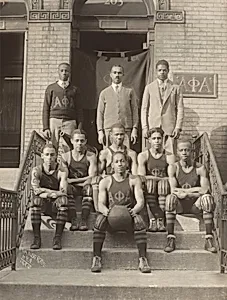
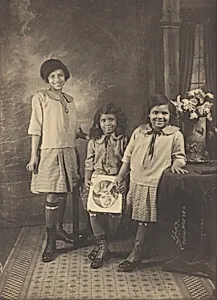
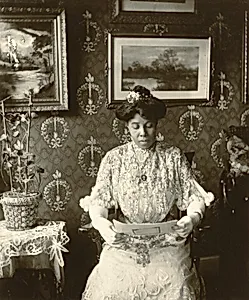
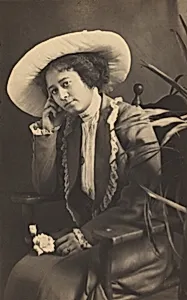
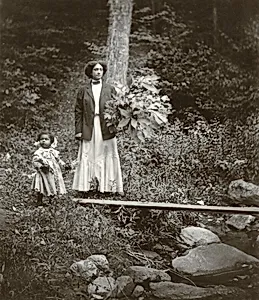
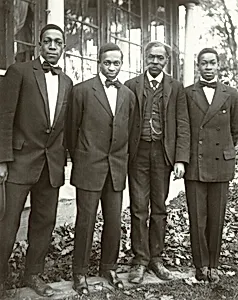
James Augustus Van Der Zee (1886–1983) was born on June 29 in Lenox, Massachusetts, into a family where he quickly displayed talents in music, mastering the violin and piano while aspiring to a professional career as a violinist. Self-taught in photography from age fourteen, he acquired his first camera around 1900 and documented his family and small-town New England community, providing one of the earliest visual records of Black life there. After leaving school at fourteen to work as a waiter, he moved to Harlem in 1906 with his father and brother, taking jobs as a waiter and elevator operator while performing with the Harlem Orchestra. In 1915, he honed his skills as a darkroom assistant and portraitist in a Newark studio before returning to Harlem in 1916 to open his first studio at his sister Jennie Louise Van Der Zee's Toussaint Conservatory of Art and Music. That same year, he launched the Guarantee Photo Studio on West 125th Street with partner Gaynella Greenlee, whom he married in 1918, establishing himself as Harlem's premier portrait photographer.
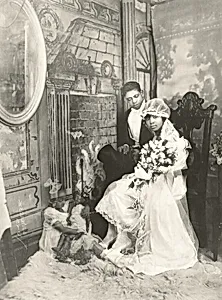
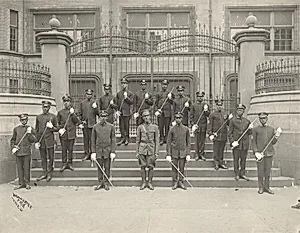
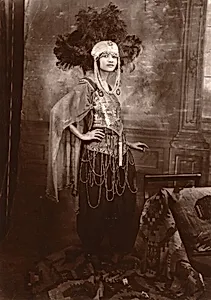
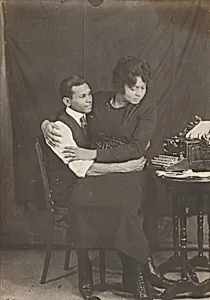
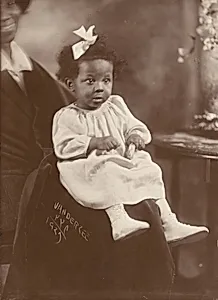
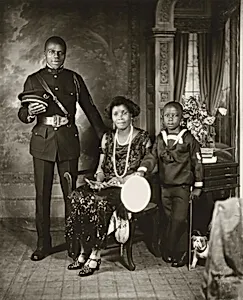
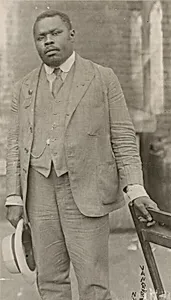
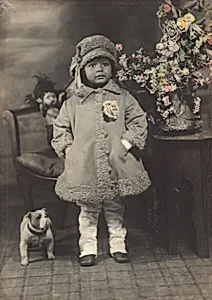
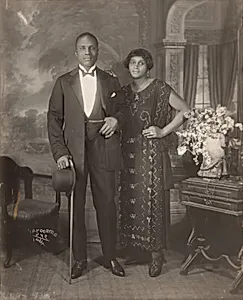
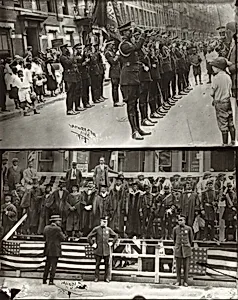
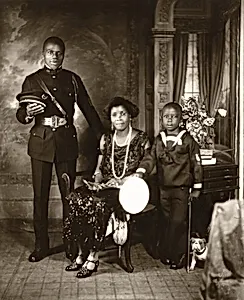
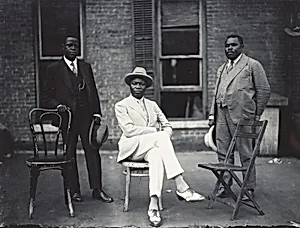
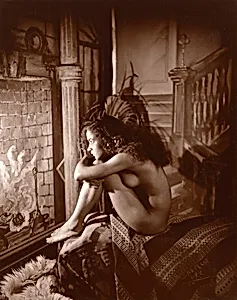
Van Der Zee's artistic style drew from late Victorian and Edwardian traditions, crafting elaborate studio tableaux vivants with painted backdrops, props like architectural elements and costumes, and heavy retouching of negatives to evoke glamour and aspiration. A leading figure of the Harlem Renaissance, he comprehensively documented Black New Yorkers' lives—weddings, funerals, social clubs, and celebrities—using innovative techniques like double exposures to insert ghostly figures, such as envisioned children in bridal portraits or spectral presences in death images. Iconic works include *Wedding Day, Harlem* (1926), *Self-Portrait* (1918), *Evening Attire* (1922), *Choir Boy* (1937), and *Les Modernes Bridge Club* (1936), alongside portraits of Marcus Garvey and his Universal Negro Improvement Association (1924), Bill "Bojangles" Robinson, Countee Cullen, Florence Mills, Joe Louis, and later Jean-Michel Basquiat (1982).
Tragedy marked his personal life: his first marriage to Kate L. Brown (1907–1914) produced daughter Rachel (d. 1927 at 19) and son Emile (d. 1909), both photographed in death portraits infused with heavenly motifs. Greenlee died in 1976; he wed Donna Mussenden in 1978. Economic hardship in the 1930s forced diversification into passport photos and restorations, but his 1969 rediscovery via the Metropolitan Museum's *Harlem on My Mind* exhibition propelled global acclaim, major shows, books like *The Harlem Book of the Dead* (1978), and honors including honorary doctorates and a Living Legacy Award from President Jimmy Carter. Van Der Zee's vast archive endures as an indelible portrait of Black ambition and joy, shaping understandings of twentieth-century African American visual culture.