Ctrl K
1694–1770
John Michael Rysbrack (1694–1770) was the foremost sculptor working in Britain during the first half of the eighteenth century, a Flemish-born master whose elegant synthesis of Baroque energy and classical restraint dominated English sculptural patronage for decades. Born in Antwerp into a family with artistic connections, he trained in the traditions of Flemish sculpture before arriving in London around 1720, where he would spend virtually his entire career.
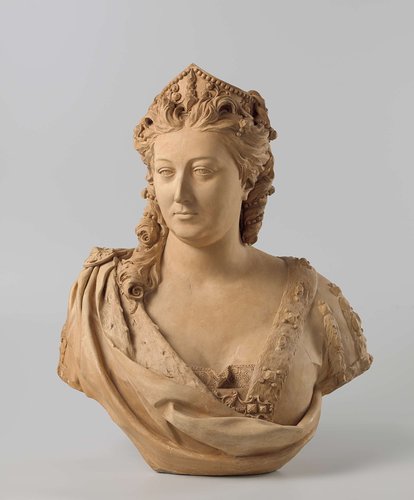
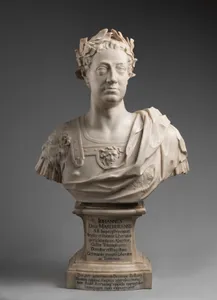
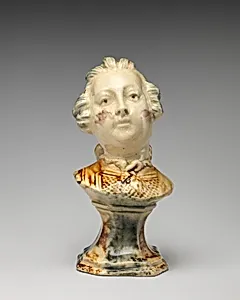
Rysbrack quickly attracted the attention of the leading architects and patrons of the English Baroque and early Palladian movements, working closely with figures such as James Gibbs and William Kent. His portrait busts — of which he produced a remarkable number — are among the finest produced in eighteenth-century Britain, combining a Baroque sense of life and presence with a classical sobriety that suited the tastes of his aristocratic clientele. Subjects ranging from members of the royal family to leading Whig statesmen and men of letters sat for him, and his busts became prized possessions in the libraries and gardens of the English country house.
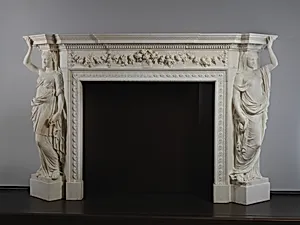
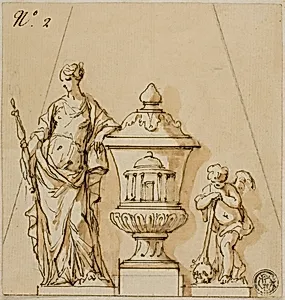
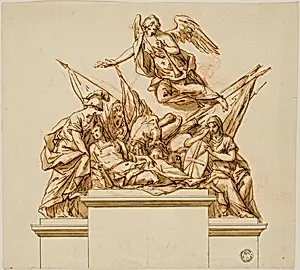
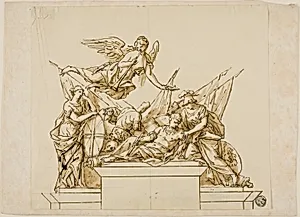
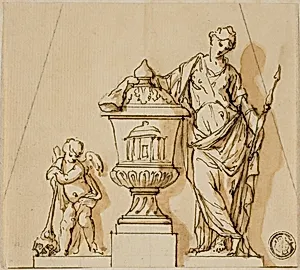
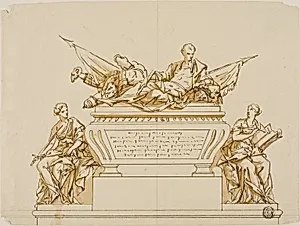
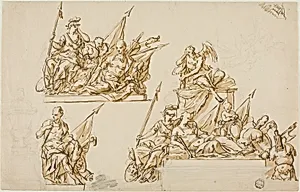
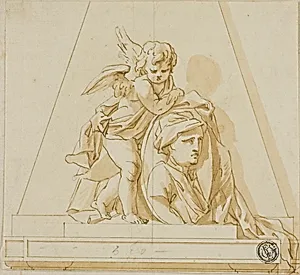
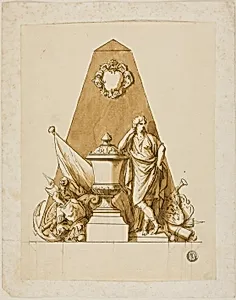
Rysbrack was equally accomplished in monumental funerary sculpture, producing tombs for Westminster Abbey and other major churches that rank among the great achievements of British memorial art. His terracotta models, many of which survive, reveal the vitality of his creative process and the assurance with which he commanded the human figure. He also responded with sensitivity to the antiquarian interests of his era, producing chimneypieces and garden sculptures incorporating classical motifs for patrons entranced by the world of ancient Rome.
Though somewhat eclipsed in later accounts by his rivals Roubiliac and Scheemakers, Rysbrack's achievement was foundational. He effectively established the terms on which sculpture would be practised and appreciated in Georgian Britain, and his works continue to command admiration for their intelligence, technical mastery, and enduring human presence.