Ctrl K
1763–1828
Utagawa Toyohiro (1763–1828) was a Japanese ukiyo-e artist and painter who founded a major branch of the Utagawa school and is best remembered as the teacher of Utagawa Hiroshige, one of the greatest landscape print designers in Japanese art history. Born in Edo (present-day Tokyo), he studied under Utagawa Toyoharu, the founder of the Utagawa school, who was noted for introducing Western perspective techniques into Japanese prints.
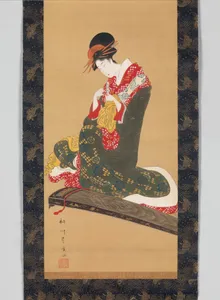
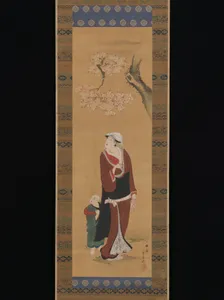
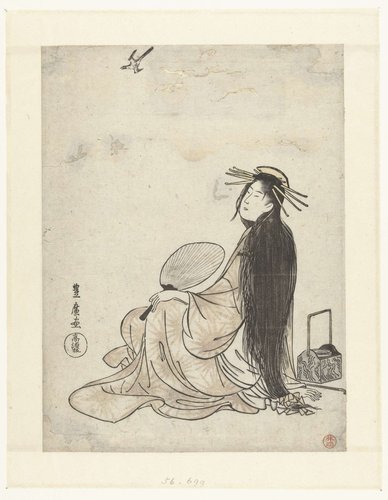
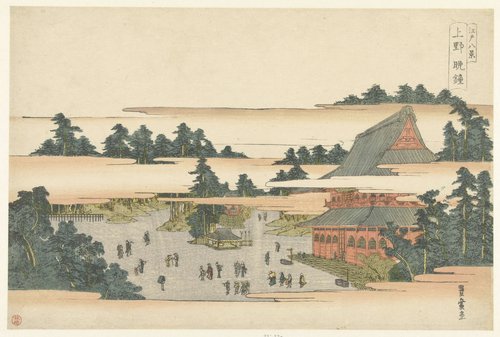
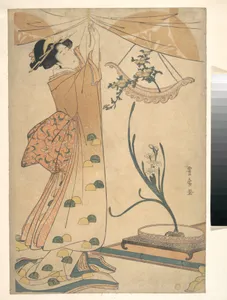
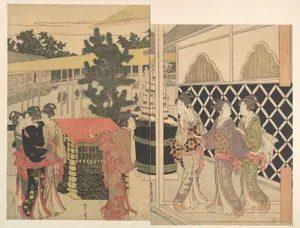
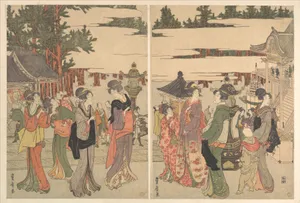
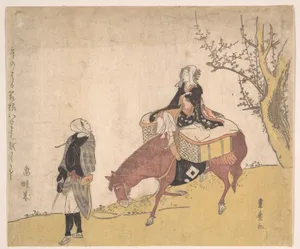
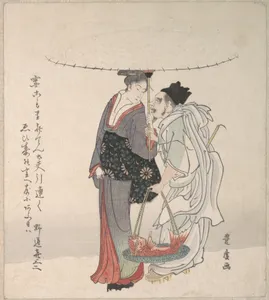
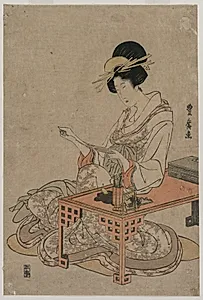
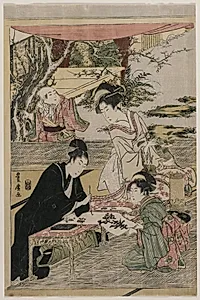
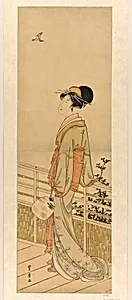
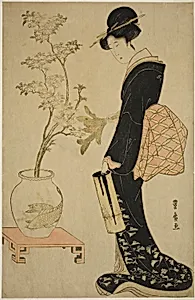
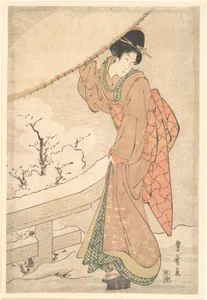
Toyohiro was active during a rich period of ukiyo-e production, working alongside his contemporary and rival Toyokuni I. While Toyokuni specialized in actor prints (yakusha-e), Toyohiro developed a reputation for elegant bijin-ga (pictures of beautiful women) and atmospheric landscape designs. His prints of women are noted for their graceful compositions, refined color harmonies, and a gentle, contemplative quality that set them apart from the more dramatic style of his rival.
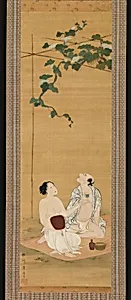
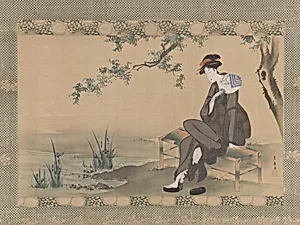
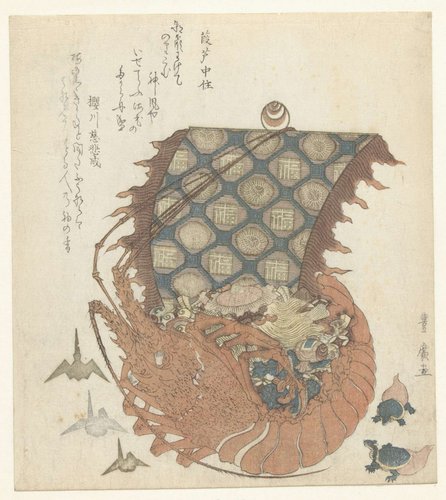
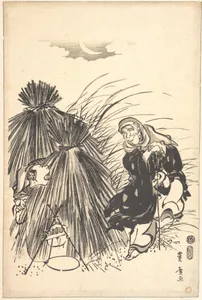
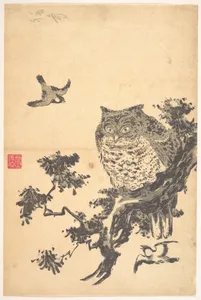
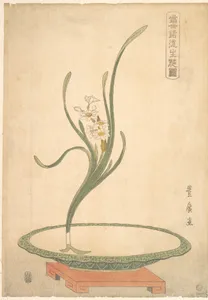
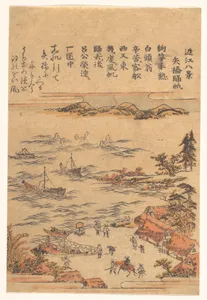
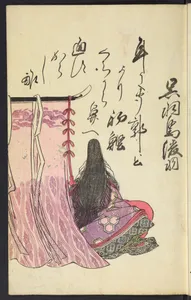
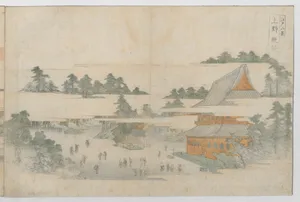
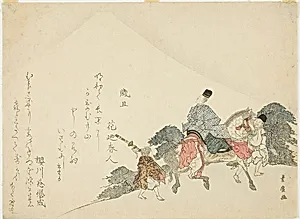
Toyohiro also produced notable book illustrations, surimono (privately commissioned prints for special occasions), and paintings. His landscape designs, while less celebrated than those of his pupil Hiroshige, show a sensitivity to atmosphere and seasonal mood that clearly influenced his student's later masterworks. He was also skilled at depicting literary and poetic subjects.
Toyohiro's greatest legacy may be his role as a teacher. In addition to Hiroshige, he trained several other accomplished artists who continued the Utagawa school tradition. His prints are held by the Museum of Fine Arts, Boston, the British Museum, the Metropolitan Museum of Art, and major Japanese collections including the Tokyo National Museum.