
Bound print
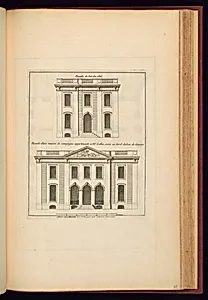
Classification
Bound print
Department
Smithsonian Collection
Museum
Smithsonian American Art Museum
Credit
Purchased for the Museum by the Advisory Council
Accession Number
1921-6-539-160
Rights
Public Domain
About this artwork
Research in Progress
Art Historical Context
**Bound Print by Jean Mariette (1727)** Jean Mariette, a renowned engraver, print dealer, and collector (1660–1742), this *Bound Print* in 1727, a time when Paris buzzed with artistic innovation during the early Rococo era. Mari, part of a prominent family dynasty in the print trade, was celebrated for curating exquisite collections of engravings and etchings. His works bridged the gap between artists and enthusiasts, making high art accessible through affordable prints. This piece, acquired by the Smithsonian American Art Museum through the Advisory Council's purchase, exemplifies the meticulous connoisseurship of 18th-century Europe. As a "bound print," it likely forms part of an album or volume where individual prints were carefully assembled for preservation and study— a popular practice among collectors like Mariette. Though the specific medium awaits further research, such bound collections were prized for their educational value, allowing viewers to compare styles from masters like Watteau or Callot. Mariette's influence extended to documenting artistic techniques, preserving ephemeral prints that captured the elegance of French decorative arts and landscapes. Today, housed in the Smithsonian Collection, this artwork invites us to appreciate the unsung role of printmakers in shaping cultural heritage. Ongoing research promises to uncover more about its subjects and techniques, highlighting how everyday objects like bound prints fueled the Enlightenment's thirst for knowledge and beauty.