
Coin
Unknown Artist
967–78
Medium
Silver
Classification
Coins
Department
Islamic Art
Museum
Metropolitan Museum of Art, New York, NY
Credit
Rogers Fund, 1939
Accession Number
39.40.127.102
Rights
Public Domain
Art Historical Context
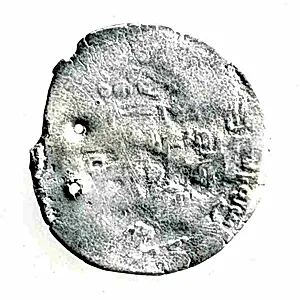
This exquisite silver coin, minted between 967 and CE, offers a glimpse into the vibrant world of the 10 century. As a product of the Abbasid era under Buyid influence, it the dirham—a standard silver currency that facilitated trade across vast empires from the Mediterranean to Central Asia. Crafted through precise striking techniques thin silver planchets, such coins bore intricate Arabic inscriptions rather than images, adhering to Islamic aniconism while elevating calligraphy to an art form. The coin's artistic significance lies in its role as miniature propaganda and cultural artifact. Typically featuring the caliph's name, mint location, date, and sometimes Quranic phrases, it showcases the refined Kufic script that defined early Islamic epigraphy. These portable treasures not only circulated as money but also spread political legitimacy and religious devotion. Housed in the Metropolitan Museum of Art's Islamic Art department through the Rogers Fund of 1939, this anonymous masterpiece reminds us how everyday objects like coins preserved history amid shifting dynasties, blending utility, artistry, and faith in a single gleaming piece.