
Coin
Unknown Artist
977–82
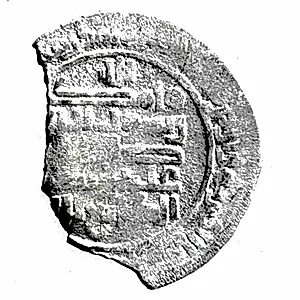
Medium
Silver
Classification
Coins
Department
Islamic Art
Museum
Metropolitan Museum of Art, New York, NY
Credit
Rogers Fund, 1939
Accession Number
39.40.127.149
Rights
Public Domain
Art Historical Context
This exquisite silver coin, minted between 977 and 982 CE, offers a glimpse into the vibrant of medieval Islamic artistry and economy. Housed in the Metropolitan Museum of Art's Islamic Department, it exemplifies the precision of coinage as both currency and cultural artifact. Crafted from high-quality silver—a prized medium for its durability and luster—this piece likely served as a dirham, the standard silver coin facilitating trade across the expansive Islamic caliphates from Spain to Central Asia. Artistically, Islamic coins like this one highlight the mastery of calligraphy and geometric design, where intricate Arabic inscriptions conveyed religious phrases, rulers' titles, and mint details without figurative imagery, adhering to aniconic traditions. Struck with dies that ensured fine detailing, such coins were miniature billboards of political legitimacy and faith, blending functionality with aesthetic refinement. Historically, this coin captures a dynamic era of Buyid or Fatimid influence, when Islamic empires fostered economic prosperity through standardized minting. As a testament to everyday artistry, it reminds us how even small objects carried profound cultural weight, connecting merchants, scholars, and sultans in a shared metallic legacy. (198 words)